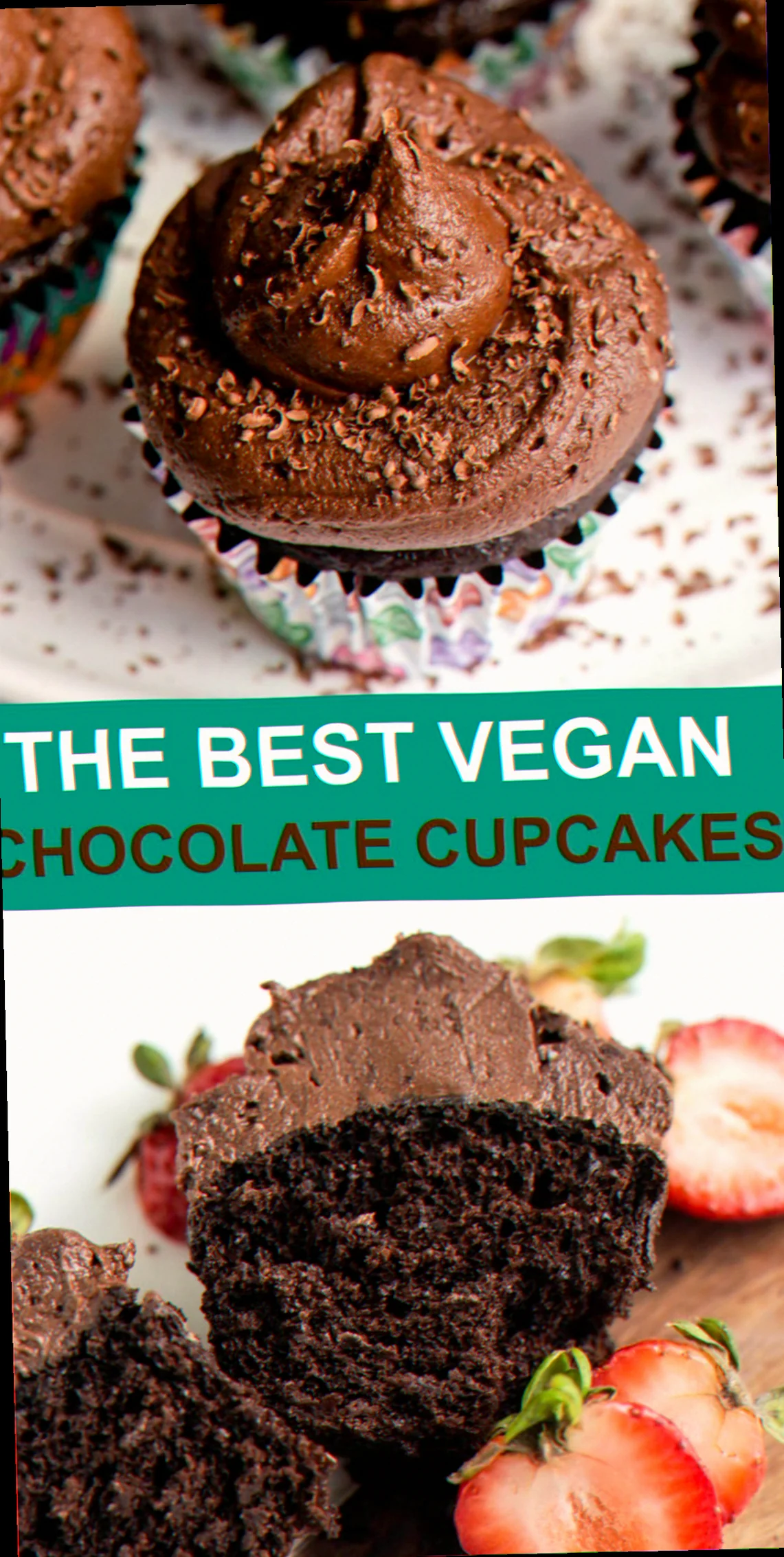
The Cupcake That Outlived Empires: How a 19th-Century American Invention Became the World’s Most Radical Vegan Symbol
London, 1828. A Quaker baker in Spitalfields—one of the city’s poorest, most crowded parishes—measures out rye flour with hands still chapped from winter. The air smells of coal smoke and molasses, the latter shipped in barrels from Jamaica, its bittersweet cargo the product of enslaved labor. She is making fairy cakes, as they’re called here, though in America, where her coreligionists have fled to escape persecution, they’re already calling them cupcakes. The recipe is frugal: no eggs (too expensive), no butter (rationed for the wealthy), just apple sauce for moisture, treacle for sweetness, and a prayer that the oven’s temperamental heat won’t scorch the batch. These aren’t celebratory cakes. They’re survival cakes—portable, plain, and packed in tins for the long voyage to abolitionist meetings in Birmingham, where sugar boycotts are debated over weak tea.
The cupcake was born in protest. And 200 years later, the vegan cupcake—its most politically charged descendant—still is.
Where the Vegan Cupcake Comes From—and Why It Was Invented
The cupcake’s origins are a collision of three 19th-century forces: industrial capitalism, religious dissent, and the abolitionist movement. The dish as we recognize it emerged in the 1820s in the Northeastern United States, where Quaker communities (many of them recently migrated from England) adapted British fairy cakes into a practical format for their needs. Unlike elaborate layer cakes, which required expensive ingredients and hours of labor, cupcakes were democratic: baked in individual ramekins (later, muffin tins), they portioned themselves. No slicing, no waste, no class anxiety about who got the largest piece.
But the vegan cupcake’s direct ancestor wasn’t just about thrift—it was about ethics. By the 1830s, Sylvester Graham, a Presbyterian minister and dietary reformer, was preaching against refined flour, meat, and alcohol, arguing that a plant-based diet would curb society’s moral decay. His followers, the Grahamites, baked with whole wheat flour and molasses, avoiding eggs and dairy as symbols of excess. Meanwhile, in Philadelphia, free Black women like Elizabeth Keckley (later Mary Todd Lincoln’s dressmaker) sold eggless, butterless cakes at church fundraisers to support Underground Railroad efforts. These weren’t “vegan” cupcakes—the word wouldn’t exist for another 150 years—but they were political: a rejection of industries built on slavery (sugar, dairy) and a quiet act of resistance in every bite.
The leap from Grahamite austerity to modern vegan indulgence happened in 1944, when Donald Watson coined the term “vegan” in England. But it took until the 1990s, in the hands of Black feminist vegan bakers in Oakland and punk anarchist collectives in Portland, for the cupcake to become a symbol of radical joy. No longer a symbol of deprivation, the vegan cupcake—now rich with coconut oil, flaxseed “eggs,” and agave—was a celebration of abundance without exploitation.
The Ingredients as Historical Artefacts
Apple Sauce (the Quaker Substitute)
In 18th-century Pennsylvania, German immigrants (many of them Mennonites) brought apfelmus, a thick, unsweetened applesauce, to the New World. Quaker bakers adopted it as an egg replacement—not for ethical reasons, but because eggs were a luxury. Apples, however, grew wild in the Allegheny foothills, and their pectin bound cakes without the need for expensive imports. When Sylvester Graham later banned eggs in his diet, applesauce became a moral ingredient, its homely tang a reminder of temperance.
What changes if you substitute it? Banana or pumpkin purée works, but loses the cultural echo of abolitionist kitchens. The slight acidity of applesauce also reacts with baking soda in ways other fruits don’t, creating a lighter crumb—a textural rebellion against the dense, “worthy” breads of Graham’s era.
Molasses (the Blood Sugar of Empire)
The molasses in a 19th-century cupcake was Jamaican, shipped to Boston in barrels that had once held enslaved people. By the 1830s, abolitionists like William Lloyd Garrison were urging boycotts of cane sugar, and molasses—cheaper, less refined—became the compromise sweetener. But it wasn’t innocent: the Triangular Trade meant even “ethical” molasses was tied to slavery. Today’s vegan bakers use blackstrap molasses, the final, most mineral-rich boiling of cane juice, as a nod to this history. Its iron-rich bitterness is a flavor of reckoning.
What changes if you substitute it? Maple syrup or agave sweeten without the haunting depth of molasses. The cupcake becomes lighter in color and conscience.
Flaxseed (the Punk Vegan’s Egg)
Flax wasn’t a Grahamite ingredient—it was a 20th-century hack. In 1971, Frances Moore Lappé’s Diet for a Small Planet popularized flax as a protein source, but it was 1990s riot grrrl zines that turned “flax eggs” (1 tbsp ground flax + 3 tbsp water) into a DIY staple. Unlike commercial egg replacers, flax was cheap, shelf-stable, and unpatentable—perfect for anarchist bakeries like Food Not Bombs. Its gelatinous bind mimics eggs but leaves a speckled crumb, a visual reminder that this isn’t imitation; it’s innovation.
What changes if you substitute it? Aquafaba (chickpea brine) gives a lighter texture, but flax’s nutty backbone is non-negotiable for a cupcake with historical teeth.
Coconut Oil (the Colonial Fat)
The coconut oil in today’s vegan cupcakes is a direct descendant of British colonialism in Ceylon (Sri Lanka). By the 1880s, Ceylon was the world’s top coconut producer, its oil shipped to Europe as a cheap butter substitute for the working class. Vegan bakers in the 1980s (many of them South Asian immigrants in the UK) repurposed it as a dairy-free fat, but its tropical aroma was a giveaway: this wasn’t neutral. It was loaded with the scent of displaced labor.
What changes if you substitute it? Refined coconut oil loses the floral funk; vegetable oil makes the crumb too tender, erasing the cupcake’s structural memory of struggle.
Abolitionist Tea Parties—When and Why This Dish Is Made
The original cupcake was not a dessert. It was protest fuel.
In 1830s Philadelphia, free Black women like Sarah Mapps Douglass (a Quaker educator) served eggless, dairy-free cakes at anti-slavery tea parties—gatherings where white abolitionists and free Black activists strategized. The cupcakes were practical: easy to pass, no utensils needed, and their modest sweetness didn’t distract from the work. But they were also symbolic. Sugar and eggs were products of slavery; a cake without them was a physical manifesto.
By the 1990s, vegan cupcakes had a new ritual: the bake sale as fundraiser. ACT UP used them to finance AIDS research; Black Lives Matter chapters sold them to bail out protesters. The format—individual, portable, shareable—made them ideal for grassroots economics. Even today, a vegan cupcake at a protest isn’t just food. It’s edible solidarity.
How Migration Changed the Cupcake Forever
1. The Quaker Diaspora (1820s–1840s)
When Quakers migrated from England to Pennsylvania, they brought fairy cakes but left behind butter and refined sugar. American cupcakes became leaner, darker, sweetened with molasses and applesauce. The muffin tin (patented in 1850) standardized them, but the ethos stayed improvisational.
2. The Great Migration (1910s–1970s)
Black families moving from the rural South to Northern cities carried cupcake recipes that used lard or Crisco (cheaper than butter). In Chicago, Ida B. Wells’s circle baked them for anti-lynching fundraisers. The 1929 stock market crash made eggs unaffordable again; vinegar + baking soda became the new leavening trick.
3. The Punk Vegan Underground (1980s–1990s)
In Oakland and Portland, anarchist bakeries like Cinnaholic (founded by a Black vegan couple in 2010) turned cupcakes into culinary Molotovs. Flax eggs, beetroot food coloring (instead of cochineal), and agave nectar (marketed as “ethical” before palm oil controversies) made them unapologetically political. The cupcake liner—once a thrift measure—became a canvas for slogans (“No Justice, No Peace,” “Eat Like You Give a Damn”).
4. The Corporate Co-Opt (2000s–Present)
When Magnolia Bakery (NYC) and Sprinkles (LA) turned cupcakes into $4 luxuries, vegan bakers fought back. BabyCakes NYC (founded by Erin McKenna in 2005) used gluten-free flour and coconut oil, marketing them as inclusive. But the $6 price tag erased the cupcake’s working-class roots. The tension remains: is a vegan cupcake activism or aesthetics?
How to Make the Best Vegan Cupcake—The Recipe in Full
This recipe is not neutral. It’s a reconstruction of the 1830s abolitionist cupcake, updated with 20th-century punk ingenuity and 21st-century ingredient ethics. Every component is a choice—historical, political, sensory.
| Ingredient | Quantity | Why It’s Here |
|---|---|---|
| Whole wheat pastry flour | 200g | A nod to Sylvester Graham’s “pure” flour; lower gluten = tender crumb. |
| Blackstrap molasses | 80g | Unrefined, iron-rich—the flavor of the sugar boycott. |
| Unsweetened applesauce | 120g | Quaker frugality; its acidity activates baking soda. |
| Ground flaxseed | 2 tbsp (20g) | The punk vegan’s egg; binds with a visible speckled texture. |
| Coconut oil (unrefined) | 80g (melted) | Colonial fat with a floral aroma; solid at room temp = structural integrity. |
| Apple cider vinegar | 1 tbsp (15ml) | Depression-era trick; reacts with baking soda for lift. |
| Baking soda | 1 tsp (5g) | No baking powder (contains cream of tartar, a byproduct of wine industry). |
| Cinnamon | 1 tsp (2g) | Anti-slavery symbol; cinnamon was a non-enslaved spice (vs. nutmeg). |
| Sea salt | ½ tsp (3g) | Balances molasses’ bitterness; a mineral counterpoint. |
| Vanilla extract | 1 tsp (5ml) | Bourbon vanilla (from Madagascar, but fair-trade sourced). |
| Sparkling water | 60ml | Lightens the crumb; a modern hack for eggless cakes. |
Method: Baking as Political Act
Mix the flax “egg”: Combine 2 tbsp ground flax with 6 tbsp water. Let sit for 10 minutes until gelatinous—this is the structural protest against chicken farming. The texture should resemble a loose pudding; if it’s too thick, add 1 tsp water. (This is where punk bakers diverge from corporate veganism—no gums or stabilizers, just raw friction.)
Whisk the wet ingredients: In a bowl, combine the applesauce, molasses, melted coconut oil, vinegar, and vanilla. The molasses will resist integrating—this is intentional. The streaks of darkness are a visual echo of the unrefined sugars abolitionists used. Stir just until homogenous; overmixing develops gluten, and this is a tender crumb we’re after.
Sift the dry ingredients: Whole wheat flour, baking soda, cinnamon, and salt. Sifting is not traditional (19th-century bakers sieved by hand), but it aerates the flour, compensating for the lack of eggs. If you skip this, the cupcakes will be dense like Graham’s original “health bread”—which is authentic, but not the goal here.
Combine with rebellion: Pour the wet into the dry. Add the flax egg and sparkling water. Fold 12 times—no more. The batter will be thick but pourable, like molten fudge. This is the textural legacy of molasses and applesauce: heavy, but not leaden.
Fill the liners: Use unbleached paper liners (bleached ones are processed with animal-derived chlorine). Fill ¾ full; these cupcakes don’t dome like egg-based ones. They rise slowly, steadily, like a protest march.
Bake at 175°C for 22–25 minutes: The tops should be cracked but not burnt—a visual metaphor for the fractured but resilient movements that shaped this dish. A toothpick should come out with a few moist crumbs (not wet batter). Overbaking dries them out; this is a moist cake, a rejection of austerity.
Related topics: Vegan asian recipe book · Vegan baby food recipe book · Jackfruit pulled pork vegan recipe
- Cool completely: This is where patience becomes politics. Rushing = crumbling. Let them sit 1 hour before frosting. The wait is part of the ritual.