The Jackfruit That Became Pork: A Story of Colonialism, Scarcity, and Reinvention
The air in the kitchen is thick with the scent of charred wood and fermenting tamarind, the kind of heat that clings to the skin like a second layer. In a clay pot blackened by decades of use, a Tamil woman in 19th-century Jaffna stirs a mixture of young jackfruit, scraped from the tree before it ripens, with a paste of roasted spices ground on a stone metate. She is making kathal ki sabzi, but not as a vegetarian dish—because in this moment, under the weight of Dutch colonial rule, meat is a luxury reserved for the occupying elite. The jackfruit’s fibrous, unripe flesh, when slow-cooked with vinegar and black pepper, mimics the pull of pork shoulder. This is not imitation for its own sake. It is survival.
By the time the pot is lifted from the fire, the fruit has surrendered its identity entirely. The strands glisten with fat rendered from coconut milk, the tang of fermented rice vinegar cutting through the richness like a memory of something lost. This is how you feed a family when the land has been carved up by foreign hands, when the pigs that once rooted in the underbrush are now counted in ledgers. The dish is eaten with steamed rice and a bitter greens stir-fry, the flavors designed to linger—because the next meal might not come for a while.
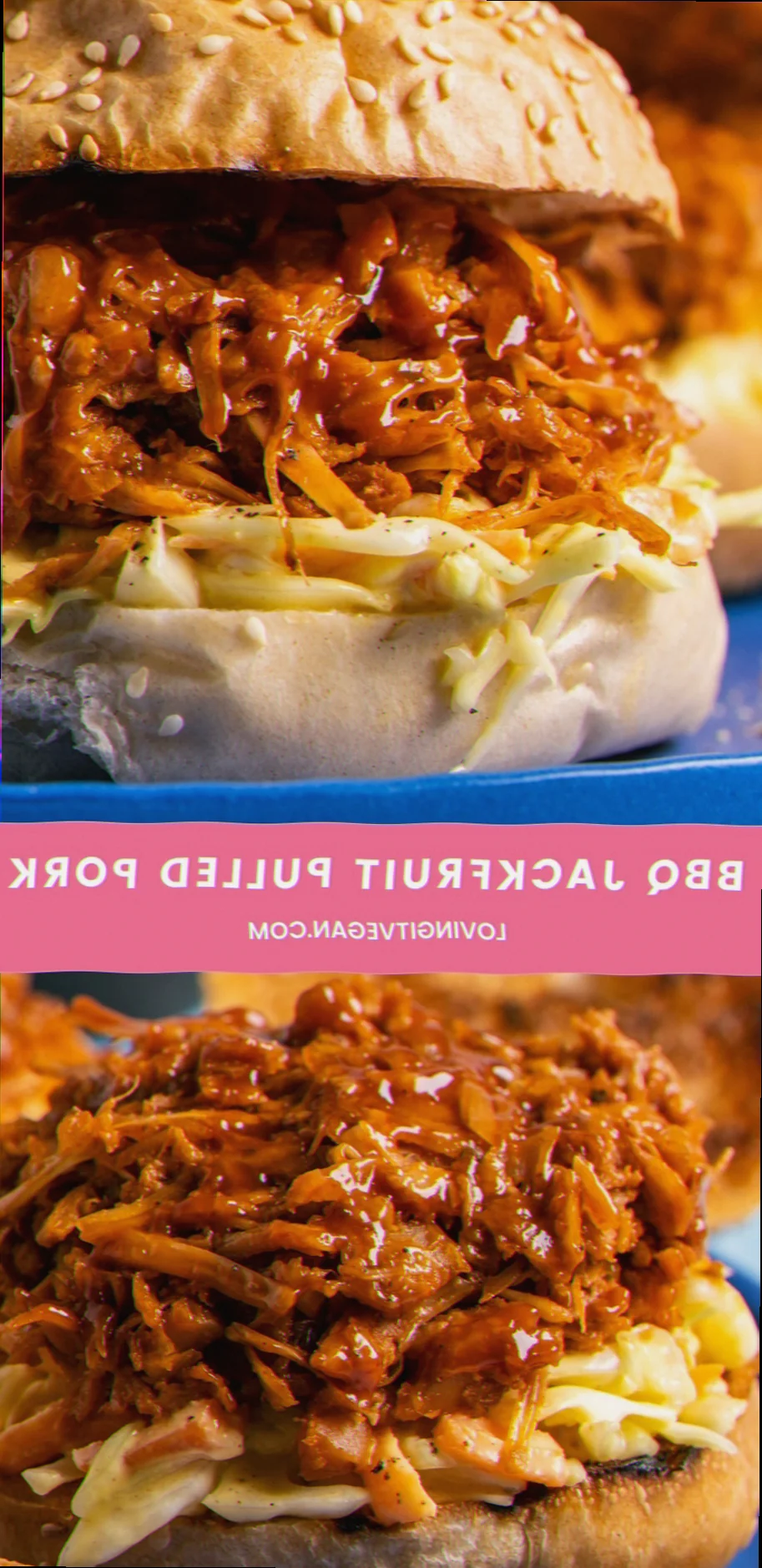
This is the origin of jackfruit “pulled pork,” though no one called it that then. It was simply kathal, or polos, or gulai nangka—names that carried no pretense of being anything other than what they were. The transformation into a vegan stand-in for an American barbecue staple would come much later, carried across oceans by diaspora and necessity.
Where Jackfruit Pulled Pork Comes From—and Why It Was Invented
The dish we now call jackfruit pulled pork was born in the crucible of South and Southeast Asia’s colonial plantations, where jackfruit (Artocarpus heterophyllus) was both a lifeline and a burden. The tree is native to the Western Ghats of India, but by the 16th century, Portuguese traders had carried it to Brazil, while Dutch and British colonizers spread it across Malaysia, Indonesia, and the Philippines as a cheap, high-yield crop to feed enslaved laborers. Unlike rice or wheat, jackfruit required little tending. A single tree could produce up to 200 fruits a year, each weighing as much as 35 kilograms—enough to stave off famine when the monsoons failed.
But the unripe jackfruit’s true genius lay in its texture. When harvested young, its flesh is starchy and neutral, with a fibrous quality that, when cooked, shreds like slow-braised meat. In Kerala, it was simmered in coconut milk with mustard seeds and curry leaves to make chakka erissery. In Java, it was fried with tempeh and kecap manis for gudeg. And in the Tamil regions of Sri Lanka and southern India, it was cooked with black pepper, cinnamon, and vinegar—a flavor profile that echoed the spiced pork dishes of Goan Catholic and Burgher communities, but without the pork.
The dish was not a celebration. It was a workaround. In Hindu and Buddhist traditions, jackfruit was a satvic food, but its meat-like quality made it a quiet act of resistance in places where colonial rulers or caste hierarchies restricted protein. By the early 20th century, as Indian and Sri Lankan migrants carried their cuisines to the Caribbean and East Africa, the technique traveled with them—but the context shifted. In Trinidad, Indo-Caribbean cooks braised young jackfruit with Scotch bonnet peppers and brown sugar, calling it “vegetable pork.” In Mauritius, it was cooked with thyme and tomato paste, a Creole adaptation of the original. The dish had become a diasporic cipher, a way to encode memory in flavor.
The Ingredients as Historical Artefacts
Unripe Jackfruit (kathal/polos)
The jackfruit tree is a relic of the Austronesian expansion, carried by seafarers from the Indian subcontinent to Southeast Asia over 3,000 years ago. But its role as a meat substitute is a colonial invention. When the Dutch East India Company seized control of Sri Lanka’s spice trade in the 17th century, they imposed taxes on livestock, making pork and beef unaffordable for most locals. The unripe jackfruit—cheap, abundant, and shelf-stable—became a protein stand-in by necessity. Its high potassium content made it a critical antidote to the muscle cramps caused by forced labor in the fields.
What’s lost when you use ripe jackfruit? Everything. The ripe fruit’s sweetness and softness bear no resemblance to the starchy, almost bland young pods, which absorb spices like a sponge. The fibrous strands of unripe jackfruit break down under heat, mimicking the collagen-rich pull of pork shoulder. Ripe jackfruit, by contrast, collapses into mush.
Black Pepper (Piper nigrum)
The spice that built—and destroyed—empires. Black pepper was the reason Vasco da Gama rounded the Cape of Good Hope in 1498, and the reason the Dutch later massacred the population of the Banda Islands to control its trade. In jackfruit preparations, it wasn’t just a flavoring; it was a preservative. The piperine in black pepper inhibits bacterial growth, allowing the dish to be stored for days in tropical heat. In Jaffna, the pepper was dry-roasted before grinding to deepen its smoky bite—a technique borrowed from Arab traders who had settled on the island centuries earlier.
Coconut Milk
The coconut palm (Cocos nucifera) is an Austronesian domesticate, but its role in this dish is tied to the forced migration of Tamil laborers to British Malaya in the 19th century. On rubber plantations, workers had access to coconuts but little else. The fat in coconut milk replaced the rendered lard or ghee that would have been used in pork dishes, while its lactic acid tenderized the jackfruit’s fibers. In Kerala, the milk was often fermented slightly, adding a sour tang that mirrored the vinegar used in Goan vindaloo—another colonial hybrid.
Vinegar (or Tamarind)
The acid in this dish is a marker of trade routes. In Sri Lanka, the vinegar was typically made from palm toddy, fermented by Tamil and Sinhalese communities for centuries. But in the Caribbean, where the dish migrated with indentured laborers, it was replaced with molasses-based vinegar—a byproduct of the sugar plantations those same laborers were forced to work. Tamarind, introduced to the Americas via the Colombian Exchange, became the dominant souring agent in Mexican and Central American versions.
The Ritual of Scarcity—When and Why This Dish Is Made
In its original context, jackfruit “pork” was a dish of lack—eaten during lean seasons, fasts, or when meat was rationed. But it was also a dish of subversion. In Hindu communities, it was prepared during Navaratri, when some sects avoid meat, but the spices and techniques mirrored those used in Muslim and Christian meat dishes, blurring culinary boundaries. In Sri Lanka’s Burgher community (descendants of Dutch and Portuguese colonizers), it was served at kade paan, or street feasts, where the poor could eat a version of the rich man’s smorebrød (Dutch-style pork stew) without the pork.
The dish’s format—shredded, saucy, and served with bread or rice—was intentional. The texture allowed it to stretch further, feeding more mouths. The spices masked the jackfruit’s mildness, making it palatable to those who might otherwise reject a “poor man’s meat.” And the slow cooking method meant it could be left unattended while women worked in the fields or markets.
In the Caribbean, the ritual shifted. Among Indo-Trinidadian communities, jackfruit “pork” became a centerpiece for Phagwah (Holi) celebrations, where the shredded fruit was dyed yellow with turmeric to symbolize the festival’s colors. The dish was no longer about scarcity but about adaptation—a way to maintain tradition in a land where jackfruit trees grew wild, but pigs were still a luxury.
How Migration Changed Jackfruit Pulled Pork Forever
The dish’s most radical transformation came in the late 20th century, when it collided with two forces: the American vegan movement and the global jackfruit trade.
In the 1980s, as Sri Lankan and Indian immigrants opened restaurants in London and Toronto, they encountered a customer base that was increasingly vegetarian—or at least curious about meat alternatives. The jackfruit preparations they had grown up eating as poor man’s pork were suddenly marketed as vegan pulled pork. The irony was thick: a dish born of colonial deprivation was now a trendy ethical choice.
The adaptations were swift:
- The Spice Profile Flattened: The complex masalas of the original were replaced with smoked paprika and liquid smoke, catering to Western barbecue palates.
- The Sweetness Increased: Brown sugar and barbecue sauce became standard, masking the jackfruit’s natural funk. (In Trinidad, by contrast, the dish had grown hotter, with Scotch bonnet peppers standing in for the original black pepper.)
- The Texture Changed: Canned young jackfruit in brine or water became the default, losing the chew of fresh-scraped pods. The brine also diluted the flavor, requiring more salt and umami boosters like soy sauce.
What was gained? Accessibility. What was lost? The dish’s original reason for being—a testament to ingenuity under oppression—was sanded down into a neutral, inoffensive product.
How to Make Jackfruit Pulled Pork—the Recipe in Full
This version hews closer to the Jaffna original, with a nod to the Caribbean adaptations. The key is patience: the jackfruit must be cooked until it surrenders its structure entirely, and the spices must be bloomed slowly to build depth.
| Ingredient | Quantity | Why It’s Here |
|---|---|---|
| Young jackfruit (fresh) | 1 kg (peeled weight) | The fibrous, starchy base—harvested before ripening, when the pods are pale green and firm. |
| Coconut oil | 30 ml | The fat medium; replaces lard or ghee in the original. Use unrefined for a nutty depth. |
| Black peppercorns | 10 g (toasted) | The preservative and heat source; dry-roasted to intensify its smoky bite. |
| Cinnamon stick | 5 g | A Dutch colonial addition, echoing the spiced pork stews of the Burgher elite. |
| Curry leaves | 8 fresh | The aromatic backbone of Tamil cooking; releases citrusy notes when fried. |
| Shallots | 150 g (finely sliced) | Sweeter than onions, they caramelize without bitterness. |
| Garlic | 30 g (crushed) | Fermented slightly in the heat, mellowing its sharpness. |
| Ginger | 20 g (julienned) | Fresh, not powdered—its fibers mimic the jackfruit’s texture. |
| Coconut milk | 400 ml | The braising liquid; its fat content breaks down the jackfruit’s fibers. |
| Palm vinegar | 30 ml | The souring agent; use coconut vinegar if unavailable. Avoid white vinegar—it’s too harsh. |
| Tamarind paste | 15 g | For depth; balances the coconut’s richness. |
| Salt | 10 g | Draws out the jackfruit’s moisture, helping it absorb the spices. |
| Jaggery or brown sugar | 20 g | A late addition; caramelizes in the final stages for a sticky glaze. |
Method:
Begin with the jackfruit. If using fresh (ideal), select a fruit that is fully mature but unripe—its spines should be soft enough to yield to pressure, but the flesh inside should be pale and starchy. Oil your hands and a sharp knife, then halve the fruit lengthwise. Remove the core, then scrape out the individual pods, discarding the thin skin and the large seeds (save these for roasting later). Chop the pods into rough 3 cm chunks—they will shrink as they cook.
In a heavy-bottomed pot (traditionally a chatti, or earthenware vessel), dry-roast the black peppercorns and cinnamon stick over medium heat until the peppercorns begin to pop, about 2 minutes. Remove and grind to a coarse powder—this is your masala base.
Return the pot to the heat and add the coconut oil. When it shimmers, add the curry leaves and fry for 10 seconds until they crisp and release their aroma. Add the shallots and cook slowly, stirring often, until they turn a deep amber—this is the flavor foundation, so don’t rush. Add the garlic and ginger, cooking until the raw edge is gone but before they brown.
Now add the ground spices and stir for 30 seconds, letting them bloom in the oil. This step is critical: the heat activates the piperine in the pepper and the cinnamaldehyde in the cinnamon, deepening their flavors.
Add the jackfruit chunks and toss to coat in the spiced oil. Pour in the coconut milk and 200 ml of water, then add the vinegar, tamarind, and salt. Bring to a gentle simmer, then reduce the heat to low. Cover and cook for 90 minutes, stirring every 20 minutes to prevent sticking. The jackfruit is done when a wooden spoon can easily shred a piece against the side of the pot.
Uncover the pot and increase the heat to medium. Add the jaggery and cook, stirring frequently, until the liquid reduces to a thick, glossy sauce that clings to the jackfruit strands. The final texture should be tender but still hold its shape when lifted—like pulled pork, not mush.
Serve with steamed rice or flatbread, and a sharp pickle (mango or lime works well) to cut through the richness. In Jaffna, this would be eaten with a bitter greens stir-fry (keera kai); in Trinidad, it might be piled onto a roti with hot pepper sauce.
The Tension—What Authenticity Actually Means for This Dish
The purists—mostly older Tamil and Keralite cooks—will tell you that canned jackfruit is an abomination. “It tastes like metal,” one Jaffna grandmother said in a 2019 interview with The Hindu. “The fresh fruit has life—it fights you as you cut it, then gives in to the pot. The canned stuff is already defeated.”
They’re not wrong. Fresh jackfruit has a resistance that canned lacks; its fibers hold their shape longer, rewarding slow cooking with a chew that mimics pork’s bite. Canned jackfruit, packed in brine or syrup, is softer and blander, requiring more aggressive seasoning to compensate.
Related topics: Vegan coke brownies recipe · Quinoa pudding recipe vegan · Vegan stuffing recipe thanksgiving dinner
But here’s the counterpoint: fresh jackfruit is labor. A single fruit can weigh 20 kilograms, its exterior covered in a latex that sticks to skin like glue. The pods must be extracted by hand, each one coated in a slimy membrane that must be scraped off. For a home cook in Toronto or Berlin, this is a weekend project. For a restaurant, it’s impractical.
The real tension isn’t fresh vs. canned—it’s context. The dish was born from scarcity, but its