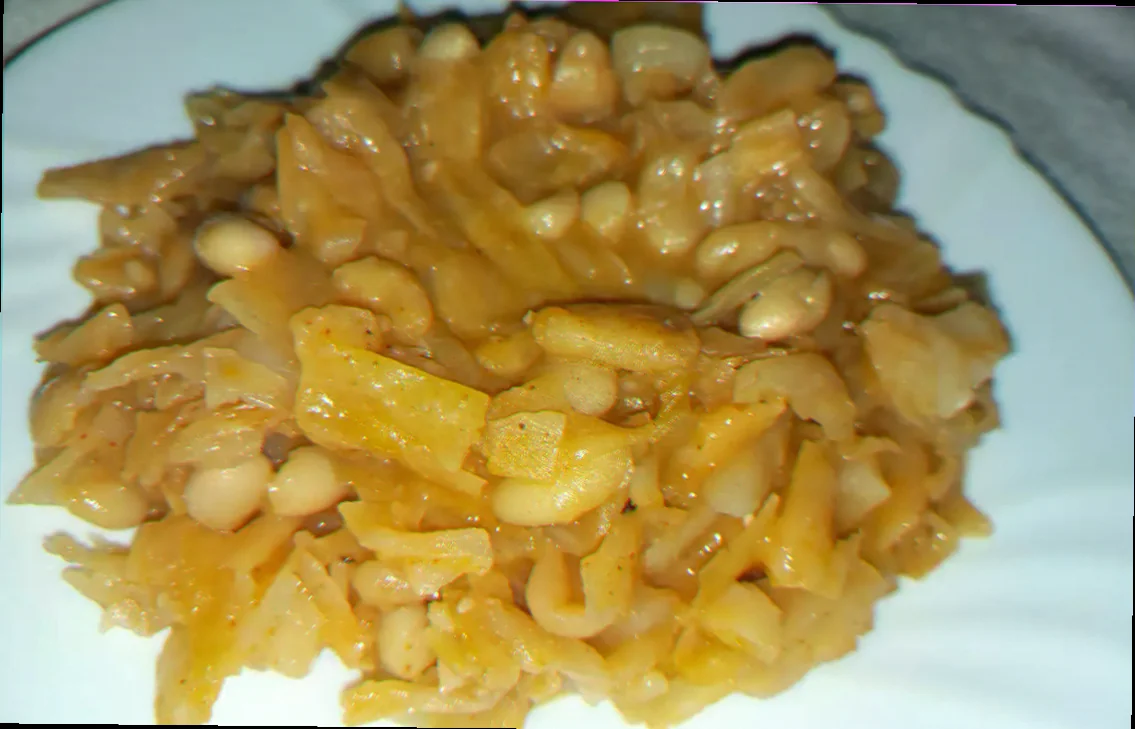
Raw Vegan Sauerkraut: The Diagnostic Guide to Every Failure (and How to Fix It)
You opened your jar after days of waiting, only to find slimy, foul-smelling mush—not the crisp, tangy crunch of proper sauerkraut. The cabbage is soft instead of snappy, the liquid is cloudy, and the smell is more rotten than fermented. This isn’t sauerkraut; it’s a science experiment gone wrong. The good news? Every failure in raw vegan sauerkraut has a cause—and a fix. This guide dissects each one, so you’ll never waste another head of cabbage.
What Perfect Raw Vegan Sauerkraut Actually Looks, Feels, and Tastes Like
| Stage | Success Marker — What You Should See / Feel / Smell / Hear |
|---|---|
| Day 0 (Pre-Ferment) | Cabbage leaves are crisp and bright green, with a clean, fresh cut smell. When massaged with salt, they release clear, pale green liquid—enough to submerge the shreds when packed. The texture should feel firm but pliable, like well-kneaded dough. |
| Day 3 (Early Ferment) | Liquid turns slightly cloudy (like light apple cider) with tiny bubbles clinging to the cabbage. The smell shifts to mildly sour, like fresh yogurt. Pressing the cabbage should feel slightly resistant, with a squeaky sound when rubbed between fingers. |
| Day 7–10 (Peak Ferment) | The kraut is golden-green, with effervescent bubbles rising when the jar is tapped. The texture is crisp-tender—like a firm apple slice—with a sharp, tangy aroma (like lemon + fresh cabbage). The brine is cloudy but not murky, with a slightly viscous mouthfeel. |
| Day 14+ (Ready to Eat) | The flavour is balanced: first a bright acidity, then a slight sweetness, ending with a clean, umami depth. The cabbage holds its shape when speared with a fork but yields with a satisfying crunch. No sliminess, no off-putting odors. |
If your sauerkraut doesn’t match these markers at any stage, something went wrong. Below, we’ll identify exactly what.
The Ingredient Failures — Wrong Choices Before You Even Start
1. Mushy Kraut (No Crunch)
Caused by: Using old, wilted, or overmature cabbage (low cellulose content) or pre-shredded bagged cabbage (exposed to oxygen, losing structure). Fix: Use fresh, dense, organic green cabbage—the heavier the head for its size, the better. Test firmness by pressing the whole head; it should feel like a basketball, not a softball. Avoid “pre-cut” or “coleslaw mix.”
2. Bitter or Harsh Flavour
Caused by: Red cabbage dominance (high in tannins) or over-salting (masking natural sweetness). Fix: Use 70% green cabbage, 30% red max for colour without bitterness. Weigh salt precisely: 2% of cabbage weight (e.g., 10g salt per 500g cabbage). Never eyeball.
3. Weak Fermentation (No Tang, Just Salty Cabbage)
Caused by: Chlorinated or fluoridated tap water (kills lactic acid bacteria) or iodized table salt (additives inhibit fermentation). Fix: Use filtered or spring water and non-iodized salt (sea salt, kosher salt, or pickling salt). If your water is hard, boil and cool it first to remove minerals.
4. Mold Growth on Surface
Caused by: Unwashed cabbage (pesticide/dirt residues feed mold) or not enough brine to submerge (oxygen exposure). Fix: Rinse whole cabbage leaves under cold water, then pat dry. Ensure brine covers cabbage by 2cm—add a 2% saltwater top-up if needed.
The Technique Failures — What Goes Wrong During Fermentation
5. Slimy Texture (Like Boiled Cabbage)
What it looks/tastes like: Strings of gelatinous sludge cling to the kraut; flavour is dull and flat. Caused by: Over-massaging the cabbage (releases too much pectin, creating slime) or fermenting above 24°C (75°F) (accelerates pectin breakdown). Fix:
- Massage just until liquid pools (3–5 minutes max).
- Ferment in a cool, dark place (18–22°C / 64–72°F). Use a thermometer—if your kitchen is warmer, move jars to a basement or fridge after Day 3.
6. Kahm Yeast (White Film on Brine)
What it looks like: Dry, white, powdery spots or a thin film on the brine surface. Caused by: Oxygen exposure (from loose lids or insufficient brine) or contaminated tools. Fix:
- Skim off the film with a clean spoon.
- Ensure airlock lids or tightly sealed jars with weighted fermentation lids.
- If recurring, add 1 tsp sugar per 500g cabbage to encourage lactic acid dominance.
7. Foul Odor (Rotten, Not Tangy)
What it smells like: Putrid, sulfurous, or like rotting garbage (not sharp and acidic). Caused by: Anaerobic bacteria dominance (from insufficient salt, dirty tools, or wrong temp). Fix:
- Discard the batch—this isn’t salvageable.
- Next time:
- Use exact 2% salt by weight.
- Sanitize all tools (jars, weights, spoons) with boiling water or vinegar.
- Ferment at 18–22°C (64–72°F)—never above 24°C (75°F).
8. Dry, Crumbly Kraut (No Brine)
What it looks like: Shreds are dry and separate; liquid pools at the bottom but doesn’t cover. Caused by: Under-massaging (not enough liquid released) or too little salt (insufficient osmosis). Fix:
- If caught early (Day 1–2), dissolve 5g salt in 250ml filtered water and pour over to submerge.
- If late-stage, mix in 1 tbsp brine from a successful batch to reintroduce bacteria.
The Equipment Failures — When Your Tools Are the Problem
1. Glass Jars with Metal Lids (Rust & Contamination)
What it causes: Metallic off-flavours and rust particles in the kraut. Fix: Use glass jars with plastic or rubber-sealed lids (e.g., Fido jars, mason jars with plastic lids). If using metal-lidded jars, place parchment paper between lid and jar.
2. No Weights (Floating Cabbage = Mold)
What it causes: Cabbage floats above brine, leading to mold and uneven fermentation. Fix: Use fermentation weights (glass or ceramic) or a ziplock bag filled with water as a DIY weight. Press down daily to keep cabbage submerged.
3. No Airlock (Pressure Build-Up or Oxygen Exposure)
What it causes: Exploding jars (from CO₂ buildup) or kahm yeast (from oxygen). Fix: Use airlock lids (e.g., Pickle Pipe, Easy Fermenter) or burp jars daily (open lid slightly to release gas).
The Full Recipe — Built Around Preventing Every Failure Above
Ingredients (Failure-Proof Specifications)
- 1 medium green cabbage (1.2–1.5kg / 2.5–3.5lb) — firm, heavy for size, organic (prevents mush, pesticide residues)
- 20–25g non-iodized salt (2% of cabbage weight) — sea salt or kosher salt (prevents weak fermentation, off-flavours)
- 1–2 carrots or apples (optional, 10% of total weight) — grated, for sweetness (balances tang, prevents bitterness)
- Filtered or spring water (if needed for brine top-up) — chlorine-free (prevents bacterial die-off)
Method
Step 1: Prep the Cabbage (Prevents Mush, Bitterness, Dryness)
- Remove outer leaves (discard or save for compost). Rinse whole head under cold water to remove dirt/pesticides.
- Quarter and core the cabbage, then shred into 2–3mm strips (too thick = slow ferment; too thin = mush).
- Weigh shredded cabbage (e.g., 1kg) and calculate 2% salt (20g).
Success Marker: Shreds should be uniform, crisp, and bright green—no brown edges.
Step 2: Massage the Cabbage (Prevents Sliminess, Dryness)
- In a large bowl, sprinkle salt over cabbage. Massage firmly for 3–5 minutes until liquid pools at the bottom.
- Squeeze a handful—it should drip brine but not fall apart.
Failure Prevented: Over-massaging → slime; under-massaging → dry kraut. Success Marker: Brine is clear to pale green, enough to submerge cabbage when packed.
Step 3: Pack the Jar (Prevents Mold, Uneven Ferment)
- Pack cabbage tightly into a clean glass jar, pressing down after every handful to eliminate air pockets.
- Pour accumulated brine over the top—cabbage must be fully submerged by 2cm.
- Add a weight (fermentation weight or water-filled bag).
- Cover with an airlock lid or tightly sealed jar (if using a regular lid, burp daily).
Failure Prevented: Oxygen exposure → mold; loose pack → weak ferment. Success Marker: Brine rises to the top, no floating cabbage.
Step 4: Ferment (Prevents Rot, Weak Flavour)
- Store at 18–22°C (64–72°F), away from direct light.
- Check daily:
- Days 1–3: Press down weight to keep cabbage submerged. Bubbles should form by Day 2.
- Days 4–7: Brine clouds slightly; smell shifts from fresh to mildly tangy.
- Days 7–14: Taste-test—crisp, tangy, no off-odors.
Failure Prevented: Wrong temp → rot or slow ferment; no weight → mold. Success Marker: Effervescent bubbles, clean sour aroma, firm texture.
Step 5: Store (Prevents Over-Fermentation, Softening)
- Once tangy enough (usually 7–14 days), move to the fridge (slows fermentation).
- Consume within 6 months—flavour peaks at 1–3 months.
Failure Prevented: Over-fermenting at room temp → mush. Success Marker: Crunch persists, flavour deepens but doesn’t turn vinegary.
How to Rescue Sauerkraut When It Has Already Gone Wrong
If Your Kraut Is Slimy (But Not Moldy)
- Drain and rinse under cold water to remove excess pectin.
- Repack with fresh 2% brine (10g salt per 500ml water) and ferment for 3 more days.
- Result: Texture improves but won’t be as crisp. Use in cooked dishes (soups, stir-fries).
If Kahm Yeast Appears (White Film)
- Skim off the film with a clean spoon.
- Add 1 tsp sugar dissolved in 50ml water to reboot lactic acid bacteria.
- Ferment 2 more days—if yeast returns, discard and restart.
If It Smells Rotten (Not Just Tangy)
- Do not eat. The risk of botulism or harmful bacteria is real.
- Sanitize jars with boiling water + vinegar before reuse.
If It’s Too Salty
- Rinse under cold water and squeeze dry.
- Mix with fresh shredded cabbage (unsalted) and ferment 2 more days.
If It’s Bland (No Tang)
- Add 1 tbsp brine from a live sauerkraut batch or 1 tsp whey (if not strictly vegan).
- Ferment 3–5 more days at room temp.
Make-Ahead: Which Failures This Introduces and How to Avoid Them
Failure: Soft Kraut After Refrigeration
Cause: Enzymes continue breaking down cellulose even in the fridge. Fix:
- Store in brine (don’t drain).
- Use within 3 months for maximum crunch.
- Freeze portions (blanch first to preserve texture) if storing longer.
Failure: Brine Turns Pink/Red (From Red Cabbage)
Cause: Anthocyanins leach out over time, staining the brine. Fix:
- Use green cabbage as the base (70% green, 30% red).
- Store in opaque containers to slow colour leaching.
Related topics: Vegan eggplant pasta recipes · Vegan tofu recipes pinterest · Best vegan recipes of all time
Diagnostic FAQ — Real Failures, Real Fixes
My sauerkraut turned out mushy—what went wrong?
Failure: Over-fermentation or wrong cabbage.
- Cause: Fermented above 24°C (75°F) or used old/pre-shredded cabbage.
- Fix for next time: Use fresh, dense cabbage and ferment at 18–22°C (64–72°F). Stop at 7–10 days.
It looked fine but tasted bitter—where did I go wrong?
Failure: Too much red cabbage or tannic additives.
- Cause: Red cabbage >30% of mix or unfiltered tap water.
- Fix: Stick to 70% green cabbage and use filtered water.
Everything looked perfect until I opened the jar—now it’s moldy!
Failure: Oxygen exposure during storage.
- Cause: Lid wasn’t airtight or brine level dropped.
- Recovery: Skim mold, repack with fresh brine, and use within 1 week (discard if mold recurs).
Final Rule: Sauerkraut is forgiving but not magic.