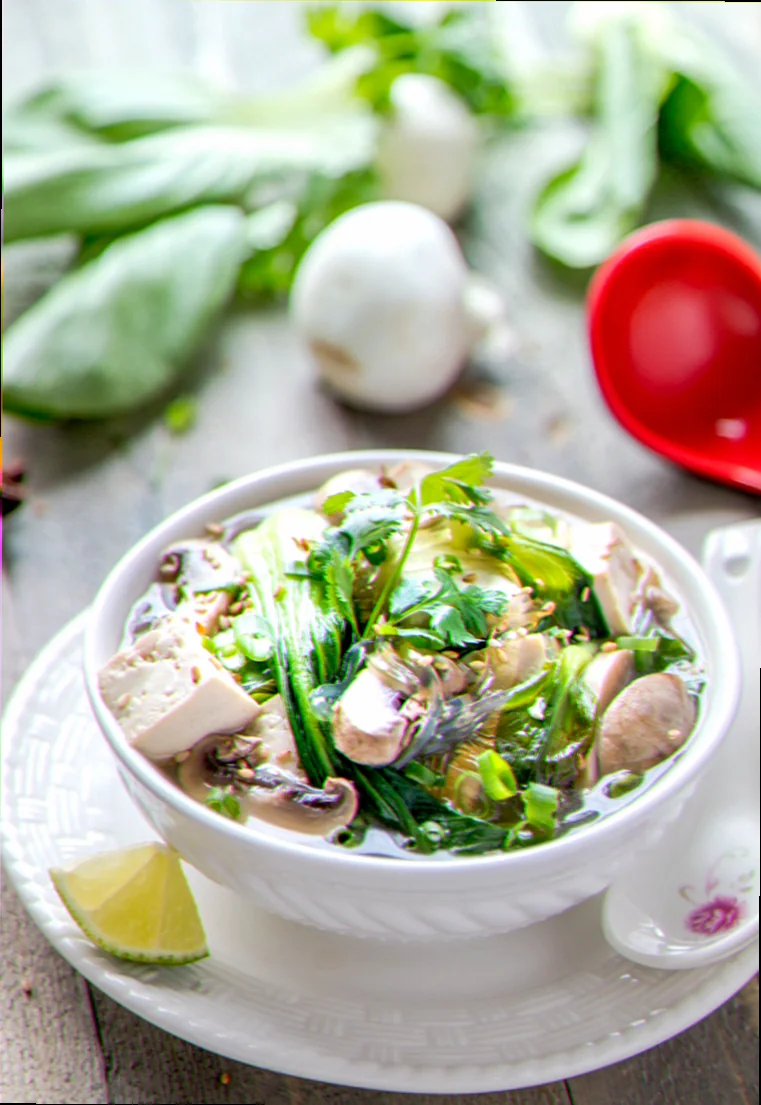
Your Vegan Baby Bok Choy Collapsed Into a Soggy, Bitter Puddle
You sliced into the leaves, expecting a crisp-tender bite with a bright, slightly sweet finish—but instead, the stems were waterlogged, the greens wilted into a sad mush, and the whole dish tasted aggressively bitter, like oversteeped green tea. The sauce (if you used one) pooled at the bottom of the pan, thin and greasy. This isn’t just “not perfect”—it’s a textural and flavour disaster. Below, we’ll diagnose every way this can go wrong, from the grocery store to the final toss, and how to guarantee vibrant, restaurant-quality results instead.
What Perfect Vegan Baby Bok Choy Actually Looks, Feels, and Tastes Like
| Stage | Success Marker — What You Should See / Feel / Smell / Hear |
|---|---|
| Raw, prepped | Leaves: deep green, crisp enough to snap cleanly when bent. Stems: pale green-white, firm with no sponginess. Smell: fresh, slightly peppery, like a cross between spinach and cabbage. Sound: a sharp crack when halved lengthwise. |
| Mid-cook (2–3 min in) | Stems turn translucent at the edges (like blanched celery), leaves darken to emerald. Pan should sizzle steadily at 180–195°C (356–383°F)—no steam unless deglazing. Aroma: toasty garlic, umami from sauce (if using), no acrid burnt notes. |
| Finished | Stems: tender but resistant (like al dente pasta), leaves silky with slight chew. Colour: vibrant jade stems, deep green leaves—no olive-drab or yellowing. Sauce (if used) clings lightly, not pooling. Texture test: A chopstick should pierce stems with slight resistance; leaves tear like delicate lettuce. |
| Serving | First bite: crisp stem gives way to juicy flesh, then the leaf’s tender collapse. Flavour: sweetness first (from natural sugars), then a peppery finish, balanced by sauce (salty, umami, or tangy). No bitterness, no metallic aftertaste. |
The Ingredient Failures — Wrong Choices Before You Even Start Cooking
- Bitter, Fibrous Bok Choy: caused by overmature heads (stems >3cm wide, leaves yellowing) → fix: Select heads 10–15cm tall with stems no thicker than your thumb. Look for: “baby” or “Shanghai” bok choy labels; avoid “standard” bok choy (it’s tougher). Pro tip: Farmers’ markets often sell true baby bok choy; grocery stores may label mature bok choy as “baby”—check stem width.
- Waterlogged, Mushy Texture: caused by pre-washed or refrigerated-in-plastic bok choy (trapped moisture accelerates decay) → fix: Buy unwashed, loose heads (not in bags). Store upright in a glass of water (like flowers) if not using within 12 hours.
- Sauce Separation or Greasiness: caused by low-quality soy sauce (chemically extracted) or unrefined sesame oil → fix: Use Japanese shoyu (e.g., Kikkoman) or naturally brewed tamari for sauce. For oil, toasted sesame oil (Kadoya brand) added after cooking—never raw.
- Flat, One-Note Flavour: caused by old garlic or ginger (sprouted, shriveled, or stored >2 weeks) → fix: Use firm, heavy garlic cloves (no green shoots) and ginger with taut, shiny skin. Test: Raw garlic should smell pungent when crushed; old garlic smells musty.
- Gritty Texture: caused by unrinsed bok choy (dirt hides in stem bases) → fix: Soak heads in cold water + 1 tbsp vinegar for 5 minutes, then rinse under running water, rubbing stems with your fingers.
The Technique Failures — What Goes Wrong During Cooking
- Soggy Bottom Syndrome: stems release water and stew in the pan → what it looks like: limp, grayish stems sitting in liquid; leaves clump together. Caused by: crowding the pan (traps steam) or low heat ( minced for even cooking)
- 1 tbsp fresh ginger, julienned — prevents stringy texture (julienned > grated)
- 1 tbsp toasted sesame oil — added post-cook to prevent greasiness
- 2 tbsp soy sauce (shoyu or tamari) — prevents chemical aftertaste
- 1 tsp rice vinegar — brightens flavour without metal reaction
- 1 tsp maple syrup or agave — balances bitterness
- 1 tsp cornstarch (optional, for sauce) — prevents thin, watery sauce
Method:
- Prep the bok choy: Trim ½ cm from stem base (removes dirt trap). Halve lengthwise, leaving stem intact. Success marker: Stems should glisten when cut—no dry, fibrous core.
- Bloom aromatics: Heat oil in pan until shimmering (190°C/374°F). Add garlic and ginger; cook 10–15 sec until fragrant but not brown. Failure prevented: Burnt garlic.
- Sear the bok choy: Add bok choy cut-side down in a single layer. Do not stir for 1–1.5 min until stems are translucent at edges. Success marker: Hear a steady sizzle; stems should resist a knife slightly.
- Flip and finish: Toss bok choy, then add soy sauce, vinegar, and sweetener around the edges (not on top). Toss off heat to coat. Failure prevented: Sauce pooling.
- Plate immediately: Drizzle with sesame oil. Success marker: Stems should snap when bitten; leaves fold like silk.
How to Rescue Vegan Baby Bok Choy When It Has Already Gone Wrong
- If it’s soggy and waterlogged: Drain in a colander, press gently with a towel to remove excess liquid. Reheat in a dry, screaming-hot pan for 1–2 min to evaporate moisture. Result: 80% recovery—texture improves, but flavour may be diluted.
- If it’s bitter: Toss with 1 tsp maple syrup + ½ tsp rice vinegar and let sit 5 min. Result: Masks bitterness but doesn’t eliminate it. Prevent next time: Cook 30 sec less.
- If the sauce broke (oil separated): Whisk in ½ tsp cornstarch slurry (mix with cold water first) and reheat gently. Result: Fully emulsified if caught early.
- If it’s rubbery: Slice stems thinly and quick-pickle in 1:1 rice vinegar:water for 10 min. Use in salads. Result: Salvages texture for a new dish.
- If it’s burnt: Discard burnt pieces. Chop remaining greens finely and fold into fried rice or dumpling filling with extra aromatics.
Make-Ahead: Which Failures This Introduces and How to Avoid Them
- Failure: Wilted, Slimy Texture — caused by refrigerating cooked bok choy (cell walls collapse). Fix: Cook 90% done (stems still slightly firm), then shock in ice water for 30 sec. Drain, pat dry, and store in airtight container with paper towel for ≤24 hours. Reheat: Sauté in dry pan for 1 min on high.
- Failure: Sauce-Sogged Leaves — caused by storing with sauce. Fix: Store bok choy and sauce separately. Reheat sauce gently (add 1 tsp water if thickened), then toss.
- Failure: Metallic Taste — caused by aluminum foil or reactive containers. Fix: Use glass or stainless steel for storage.
Related topics: Vegan baby food recipe book · Vegan eggplant pasta recipes · Vegan no carbs recipes
Diagnostic FAQ — Real Failures, Real Fixes
My bok choy turned out soggy but the stems were still crunchy — what went wrong?
Failure: Uneven Cooking — caused by crowding the pan (steamed instead of seared) or cutting stems too thick. Fix next time: Use a larger pan or cook in batches. Slice stems ≤1cm thick if halving isn’t enough.
It looked perfect but tasted weirdly soapy — where did I go wrong?
Failure: Rancid Oil — caused by old sesame oil (turns bitter/soapy when heated). Fix: Use fresh, refrigerated toasted sesame oil (smell should be nutty, not sharp). Add it after cooking.
Everything was great until I added the sauce, then it turned greasy — why?
Failure: Emulsion Break — caused by adding cold sauce to hot pan or using unrefined oil. Fix: Warm sauce gently before adding, or whisk in ½ tsp cornstarch slurry to rebind. Prevent next time: Use room-temperature ingredients.