The first time I made vegan curry mee, I served my partner a bowl of sad, greasy noodles floating in a broth that tasted like diluted coconut milk with a vague hint of spice. The noodles had clumped into a starchy mass, the tofu was rubbery, and the entire dish had the textural appeal of a wet sponge. I’d followed a popular recipe to the letter—simmering the curry paste directly in coconut milk, boiling the noodles separately, and tossing everything together at the end. It was edible, sure, but it wasn’t curry mee. It wasn’t even close. That was the day I learned the hard way: this dish isn’t about the ingredients—it’s about the order you introduce them, and the one step no one talks about: blooming the spice paste in oil before any liquid touches it.
Why Most Versions of Vegan Curry Mee Fail
Most recipes treat vegan curry mee like a stir-fry or a soup—either too dry and clumpy or too thin and watery. The wrong way (the way I tried first, and the way 90% of online recipes still teach) is to dump the curry paste straight into coconut milk or broth and simmer. This does two terrible things: it mutes the spices (they never fully release their oils) and it creates a split, oily broth (because the paste’s starches and fats aren’t emulsified properly). The result? A dish that’s either bland or aggressively fatty, with noodles that soak up the sauce unevenly.
The right version—the one that makes your kitchen smell like a Penang hawker stall—has a silky, cohesive broth that clings to the noodles, a deeply fragrant spice base that hits you before the bowl even reaches the table, and layers of texture (crispy shallots, tender tofu, chewy noodles) in every bite. The difference isn’t the ingredients; it’s the technique of blooming and the order of operations.
The Ingredients That Actually Matter
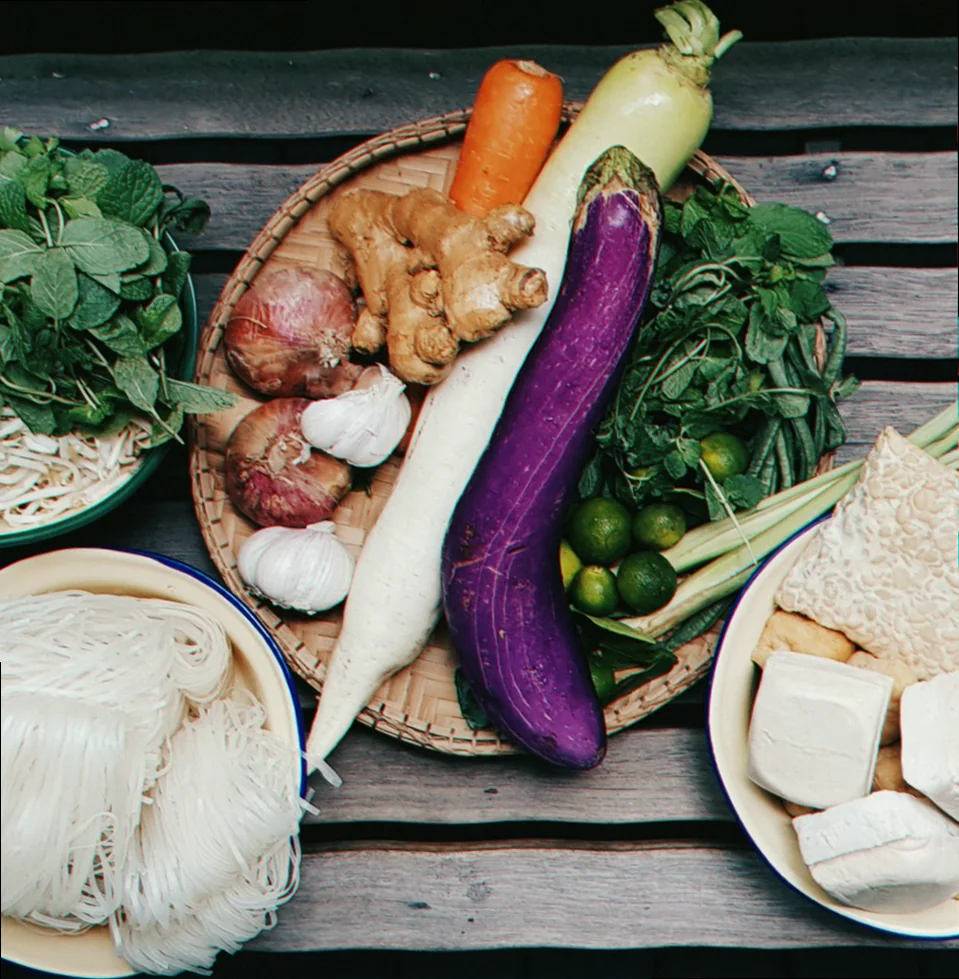
Let’s start with the curry paste, because this is where most people go wrong. Store-bought vegan curry pastes (even the fancy ones) are useless for this dish—they’re designed for Thai curries, not Malaysian-style mee. I make my own, but if you’re buying, A1 Malaysian Curry Powder (the yellow tin) is the only shortcut I’ll allow. I toast 3 tablespoons of it in a dry pan until it smells like fireworks, then grind it with 10g dried chilies (soaked), 1 stalk lemongrass (white part only), 4 shallots, 5 garlic cloves, 1-inch galangal, and 1 teaspoon shrimp-free belacan substitute (I use fermented soybean paste). The paste should be wet but not watery—like a thick pesto. This isn’t just flavor; it’s the backbone of the dish.
Next, the noodles. I use 200g fresh yellow wheat noodles (the kind sold in vacuum-sealed packs at Asian grocers). Dried noodles work in a pinch, but they lack the chewy, slippery texture that makes curry mee addictive. If you’re gluten-free, rice noodles (the flat, 1cm-wide kind) are the only acceptable swap, but they’ll soak up broth like a sponge, so serve them immediately.
The protein is where vegan versions usually fall apart. Firm tofu is the classic choice, but it’s boring unless you treat it right. I press 300g extra-firm tofu for 30 minutes, cube it, then double-fry it: first at 160°C for 4 minutes to set the shape, then at 190°C for 2 minutes to crisp the edges. This gives it a meaty resistance that holds up to the broth. Tempeh is a great alternative—150g, steamed for 10 minutes then pan-fried—but it’s earthier, so I add a splash of light soy sauce to brighten it.
The broth is where the magic (or disaster) happens. I use 400ml coconut milk (full-fat, no substitutions) and 300ml vegetable stock (homemade if possible, but Better Than Bouillon No Chicken is my backup). The ratio is critical: too much coconut milk and it’s cloying; too much stock and it’s weak. The secret weapon is 1 tablespoon tamarind paste—it cuts through the richness and gives the broth a tangy, almost sour depth that balances the spice.
Finally, the toppings. Crispy shallots (I fry 2 thinly sliced shallots in 50ml oil at 140°C until golden) are non-negotiable—they add a crunchy, sweet contrast. Bean sprouts (50g, blanched for 10 seconds) for freshness, lime wedges for acid, and a handful of Vietnamese mint (not regular mint—it’s peppery and bright) to finish.
The Moment Everything Changes: Blooming the Spice Paste in Oil
Here’s the revelation that saved my curry mee: You must cook the curry paste in oil until it separates and darkens before adding any liquid. This isn’t just sautéing—it’s a chemical transformation. The spices release their essential oils into the fat, the sugars caramelize, and the raw edge of the chilies mellows. Skip this step, and your broth will taste like coconut milk with a side of disappointment.
Here’s how it works:
- Heat 3 tablespoons neutral oil (I use rice bran) in a pot over medium-low heat (120°C).
- Add the curry paste and stir constantly for 8–10 minutes. It’ll go from bright red to a deep, brick-like brown, and the oil will start to separate at the edges. This is the Maillard reaction doing its thing—don’t rush it.
- Only when the paste is dry, fragrant, and slightly sticky do you add the coconut milk. This ensures the flavors bind to the fat instead of floating in the watery broth.
The first time I did this, the smell was so intense my neighbor knocked on the door to ask what I was cooking. The broth went from flat and one-dimensional to complex, aromatic, and layered. It’s the difference between a dish that’s fine and one that makes people scrape the bowl.
How I Actually Make It Now — Step by Step
[Building the Broth Base] I start with the bloomed curry paste (from above) in my pot. Once it’s darkened, I pour in 200ml coconut milk (just enough to loosen the paste) and simmer for 5 minutes, stirring to emulsify. This step locks in the spice flavors before diluting them. Then I add the remaining 200ml coconut milk and 300ml stock, along with 1 tablespoon tamarind paste, 1 tablespoon soy sauce, and 1 teaspoon palm sugar (or brown sugar). I bring it to a gentle simmer (90°C)—never a boil, or the coconut milk will split—and let it reduce for 15 minutes. The broth should coat the back of a spoon but still pour easily.
[Prepping the Noodles] While the broth simmers, I blanch the noodles in boiling water for 30 seconds (fresh noodles) or 2 minutes (dried). They should be 90% cooked—they’ll finish in the broth. I drain them, rinse with cold water to stop cooking, then toss with 1 teaspoon oil to prevent sticking.
[Assembling the Bowl] I divide the noodles between bowls, ladle the hot broth over them (this finishes cooking the noodles), then arrange the tofu, bean sprouts, and crispy shallots on top. The key is to pour the broth last—this keeps the toppings crisp and vibrant. A squeeze of lime and a sprinkle of mint, and it’s ready.
The Failures I Still See — and How to Fix Them
[Broth Splits into Oily Layers]: This happens when the coconut milk boils or the curry paste isn’t bloomed properly. Fix: Remove the pot from heat, whisk vigorously, and add 1 teaspoon cornstarch slurry to rebind it. Next time, bloom the paste longer and keep the heat low.
[Noodles Turn Mushy]: Either overcooked or soaked in broth too long. Fix: Undercook the noodles by 10% and serve immediately. If they’re already mushy, drain and rinse with hot water to remove excess starch.
[Dish Tastes Flat]: Usually missing acid or salt. Fix: Stir in 1 teaspoon lime juice and ½ teaspoon salt at the end. Taste as you go—the tamarind and soy should balance the coconut’s sweetness.
When I Make This and What I Serve It With
I make curry mee when I need a hug in bowl form—after long days, when it’s raining, or when I’m craving something rich but bright. It’s a weekend lunch dish for me, because the blooming step requires patience, and the toppings need fresh prep.
I serve it with:
- Vegan roti canai (for dipping—essential)
- A simple cucumber salad (thinly sliced with lime, salt, and chili flakes) to cut the richness
- Iced lemongrass tea (sweetened with palm sugar) because the herbal bitterness cleanses the palate
Substitutions I’ve Tested Honestly
- Coconut milk → Coconut cream: Too thick and cloying. The broth becomes gluey instead of silky. Verdict: Avoid.
- Tofu → Chickpeas: Works in a pinch, but they soak up broth and turn mealy. Verdict: Only if you pan-fry them crispy first.
- Gluten-free → Rice noodles: Texturally fine, but they absorb liquid fast. Verdict: Serve with extra broth on the side.
Questions I Get Asked About Vegan Curry Mee
“Can I make this ahead of time?”
The broth improves overnight—the flavors deepen—but the noodles and toppings must be fresh. Pro tip: Store broth and noodles separately. Reheat the broth gently, then dunk the noodles in boiling water for 10 seconds before assembling.
Related topics: Vegan stuffing recipe thanksgiving dinner · Vegan baby food recipe book · Vegan sweet potato bread recipe
“Why does my curry mee taste like coconut milk with curry powder?”
Because you didn’t bloom the paste or didn’t use enough tamarind. Fix: Double the tamarind next time, and cook the paste until it’s almost burning.
“Is there a quick version?”
Yes, but it’s not the same. Use store-bought curry paste + 1 extra tablespoon oil, bloom it for 5 minutes, then add broth. It’ll lack depth, but it’s weeknight-passable. Non-negotiable: Still bloom the paste. No shortcuts there.