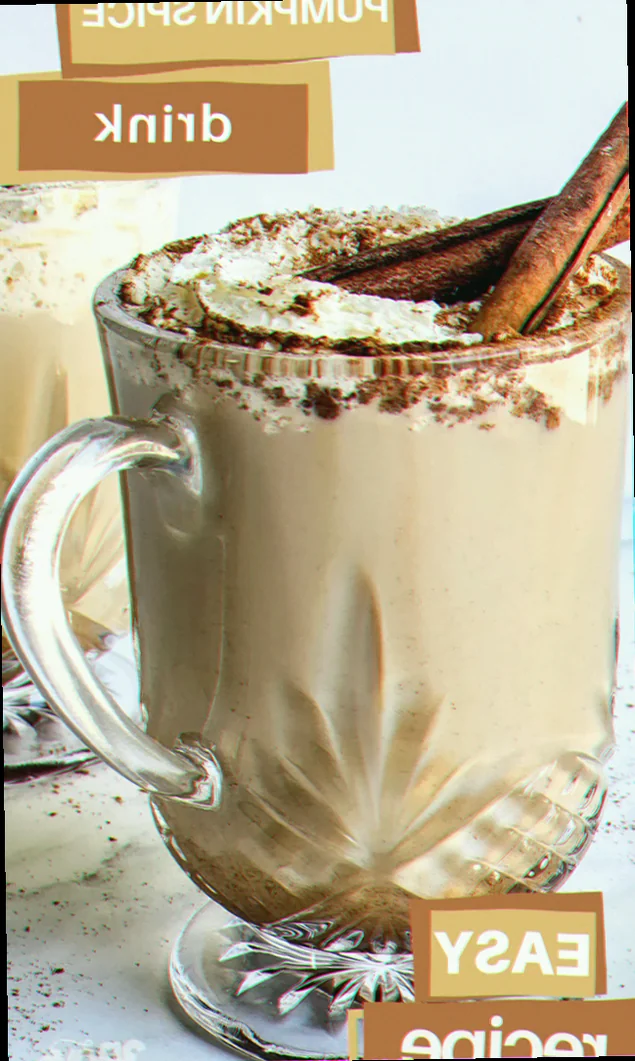
I spent three years making vegan pumpkin spice drinks that tasted like sad, watery regret before I understood the real problem: most recipes treat pumpkin purée like a flavoring when it’s actually the backbone. The moment I stopped drowning it in sweetener and started treating it like a custard base—thickened with starch, balanced with acid, and emulsified with fat—everything changed. That first sip of the right version (velvety, with a slow burn of spice and a caramelized depth that lingers) made me want to apologize to every person I’d ever served my earlier attempts. Here’s how I got there.
Why Most Versions of Vegan Pumpkin Spice Drink Fail
The internet is flooded with recipes that tell you to blend canned pumpkin with almond milk, dump in a tablespoon of “pumpkin pie spice,” and sweeten it to death. This is the wrong approach. What you get is a thin, grainy, overly sweet orange drink that tastes like a melted candle scented with cinnamon. The texture is all wrong—watery or, if you’re unlucky, slimy from undercooked starches in the pumpkin. The spices sit on top of the liquid like a dusty film instead of melting into it. And the aftertaste? A one-note sugar bomb with a weird, vegetal bitterness from the pumpkin that no amount of syrup can mask.
The real crime? These recipes ignore that pumpkin is a squash, not a fruit. It’s 90% water, but it’s also packed with pectin and starch that need to be coaxed into submission. Treat it like a custard, not a smoothie.
The Ingredients That Actually Matter
I used to think the spice blend was the star. Then I realized the pumpkin itself is the diva, and everything else is her backup singers.
Pumpkin purée (240g, but not just any purée) – Canned 100% pumpkin (not “pumpkin pie filling”) is non-negotiable. I’ve tried roasting fresh sugar pumpkins, and unless you’re willing to strain out the excess water for hours, it’s not worth it. Libby’s brand is the gold standard—consistent thickness, no added junk. The key is weight, not volume. A “cup” of pumpkin can vary wildly in moisture; 240g gives me the same texture every time.
Full-fat coconut milk (200ml, the kind in a can) – This isn’t about making it “creamy.” It’s about fat. Pumpkin’s natural astringency needs fat to round it out, and coconut milk’s slight tropical note actually enhances the spice instead of fighting it. Light coconut milk or almond milk? They’ll leave your drink tasting like flavored water.
Brown sugar (50g, dark and unrefined) – White sugar makes this taste like a latte gone wrong. Dark brown sugar adds molasses depth that mirrors the caramelized notes in the pumpkin. I dissolve it into the warm coconut milk first so it doesn’t sink to the bottom like sad, gritty sediment.
Cornstarch (10g, mixed with cold liquid first) – This is my insurance policy against the drink separating or turning slimy. Pumpkin’s natural pectin can make the texture unstable when heated. A cornstarch slurry (mixed with 20ml of cold coconut milk before adding) gives it a silky body that clings to the glass.
Fresh ginger (10g, grated fine) – Ground ginger in spice blends tastes like dust. Fresh ginger, simmered briefly, adds a bright, almost citrusy heat that cuts through the richness. It’s the difference between a flat spice profile and one that hums.
Apple cider vinegar (5ml, yes really) – A splash of acid at the end wakes everything up. Without it, the drink tastes muddy. The vinegar doesn’t make it sour—it makes the spices pop and the pumpkin taste more like itself.
Vanilla bean paste (5g, or 1 tsp extract in a pinch) – Vanilla isn’t just for sweetness. It adds a floral complexity that makes the drink taste expensive. Paste is better than extract because those tiny flecks of bean make it look as good as it tastes.
The spice blend (but not the one you expect) – I use 1 tsp ground cinnamon, ¼ tsp freshly grated nutmeg, ¼ tsp allspice, and a pinch of cloves. No pre-mixed “pumpkin pie spice”—it’s always stale and heavy on the cinnamon. Freshly grated nutmeg is worth the effort; it tastes like warm hazelnuts instead of pencil shavings.
The Moment Everything Changes: Treating It Like a Custard
Here’s the revelation that saved my pumpkin spice drinks: You have to cook the base. Not just warm it up—cook it. Pumpkin purée is raw, starchy, and slightly bitter. Gentle heat transforms it.
I simmer the pumpkin with the coconut milk, sugar, and spices for 8–10 minutes at 85°C, stirring constantly. This does three things:
- Breaks down the pumpkin’s cell walls, releasing its natural sweetness and eliminating that raw, green taste.
- Blooms the spices in the fat of the coconut milk, so they infuse instead of floating.
- Activates the cornstarch, thickening the mixture just enough to coat the back of a spoon.
The difference is staggering. Before this step, my drinks were thin and tasted like spiced pumpkin juice. After? Rich, velvety, and complex—like a liquid pumpkin pie filling you’d want to drink by the mugful.
How I Actually Make It Now — Step by Step
[The Base: Blooming the Spices] I start by heating the coconut milk in a saucepan over medium-low until it’s just steaming (about 60°C). While it warms, I whisk in the brown sugar until it’s fully dissolved—no grains left. Then I add the cinnamon, nutmeg, allspice, cloves, and grated ginger. This isn’t just heating; it’s blooming. I let it sit off the heat for 5 minutes so the spices steep in the warm fat. The kitchen starts smelling like a bakery, not a spice cabinet.
[The Pumpkin: Cooking Out the Raw] I stir in the pumpkin purée and return the pan to low heat. Here’s where most people mess up: They don’t cook it long enough. I keep it at a gentle simmer (small bubbles at the edges, not a rolling boil) for 8–10 minutes, stirring often. The color deepens from orange to a richer, almost caramel hue, and the mixture thickens slightly. If it splatters, I lower the heat—burnt pumpkin is bitter and ruinous.
[The Thickener: Stabilizing the Texture] While the pumpkin cooks, I mix the cornstarch with 20ml of cold coconut milk in a small bowl until it’s smooth. After the pumpkin has simmered, I stir in the slurry and let it cook for another 2 minutes. This is the moment the texture transforms. The mixture goes from looking like thin porridge to something luscious and cohesive. I test it by dipping a spoon in—it should coat the back smoothly, and when I run a finger through it, the trail should hold for a second before dripping.
[The Finish: Balancing the Flavors] Off the heat, I stir in the vanilla bean paste and apple cider vinegar. The vinegar might seem odd, but it’s the secret weapon. Without it, the drink can taste flat and one-dimensional. With it, all the flavors snap into focus. I taste and adjust—sometimes a pinch more salt if the spices need lifting, or a extra 5g of sugar if the pumpkin was particularly earthy.
[Serving: Texture and Temperature] I serve it hot, but not scalding—around 70°C, so the flavors are vibrant but you can sip it immediately. If I’m making it ahead, I reheat it gently with a splash of water to loosen it (it thickens as it cools). For a frothy top, I blend it briefly with an immersion blender or whisk vigorously before pouring. No one wants a skin on their drink.
The Failures I Still See — and How to Fix Them
[Grainy Texture] – This happens when the cornstarch isn’t fully dissolved before adding or if the mixture boils too hard. Fix: Strain it through a fine-mesh sieve while hot, then reheat gently. Or, if you catch it early, blend it smooth with an immersion blender.
[Separated or Watery Drink] – Usually from using low-fat milk or not cooking the pumpkin long enough. Fix: Whisk in another 5g of cornstarch mixed with cold liquid, then simmer for 3 more minutes. If it’s already cold, blend in 1 tsp of coconut cream to rebind the fat.
[Bitter or Metallic Aftertaste] – This is raw pumpkin or over-reduced spices. Fix: A pinch of salt and a squeeze of lemon juice can mask it, but the only real cure is cooking the base longer next time. If it’s already made, serve it with a sprinkle of cinnamon sugar on top to distract the palate.
When I Make This and What I Serve It With
This isn’t an everyday drink for me—it’s an event. I make it for:
- Cozy movie nights in October, served with vegan ginger molasses cookies (the spice overlap is intentional, and the chewy texture contrasts the silkiness of the drink).
- Thanksgiving dessert pregame, alongside warm spiced nuts (the saltiness cuts the sweetness).
- Cold, rainy afternoons when I need a hug in a mug, paired with a dark chocolate square (70% or higher) to balance the spices.
It’s rich enough to feel indulgent but not so heavy that it sits like a brick. And yes, I’ve been known to spike it with bourbon or spiced rum (15ml per serving) for adults-only gatherings. The alcohol enhances the caramel notes in the pumpkin—just don’t add it while cooking, or you’ll boil off all the good stuff.
Substitutions I’ve Tested Honestly
- Coconut milk → Oat milk – It works in a pinch, but the drink loses body and depth. Verdict: Acceptable if you’re allergic, but not ideal.
- Brown sugar → Maple syrup – Adds a nice complexity, but you’ll need to reduce the liquid elsewhere (use 40g syrup + 10g less coconut milk). Verdict: Worth it if you love maple.
- Cornstarch → Arrowroot – Arrowroot gives a clearer finish but is less stable when reheated. Verdict: Only if you’re serving immediately.
- Fresh pumpkin → Canned – Unless you’re roasting and straining your own, don’t bother. Store-bought fresh purée is watery and bland.
For gluten-free: Already is. For nut-free: Use oat or soy milk instead of almond, but coconut is nut-free and still the best. For lower sugar: Halve the brown sugar and add 10g of erythritol, but accept that it won’t caramelize the same way.
Questions I Get Asked About Vegan Pumpkin Spice Drink
“Can I make this in a blender and skip the cooking?”
No. Blending raw pumpkin with milk and spices gives you a smoothie, not a custard-like drink. The heat is non-negotiable. If you’re in a rush, at least microwave the pumpkin and coconut milk together for 3 minutes, stir, then blend. It’s not perfect, but it’s better than raw.
Related topics: Quinoa pudding recipe vegan · Vegan asian recipe book · Vegan split pea soup recipe crock pot
“Why does mine taste like cinnamon water?”
Because you used pre-mixed pumpkin pie spice and didn’t bloom the spices in fat. Ground spices need heat to release their oils. Also, check your pumpkin—some brands are watery and bland. Stick to Libby’s.
“Can I make this iced?”
Technically yes, but the texture suffers. The cornstarch makes it gloppy when cold. Better approach: Make the base as written, cool it completely, then blend with ice and a splash of cold brew coffee for a pumpkin spice frappé. The coffee cuts the sweetness and adds depth.