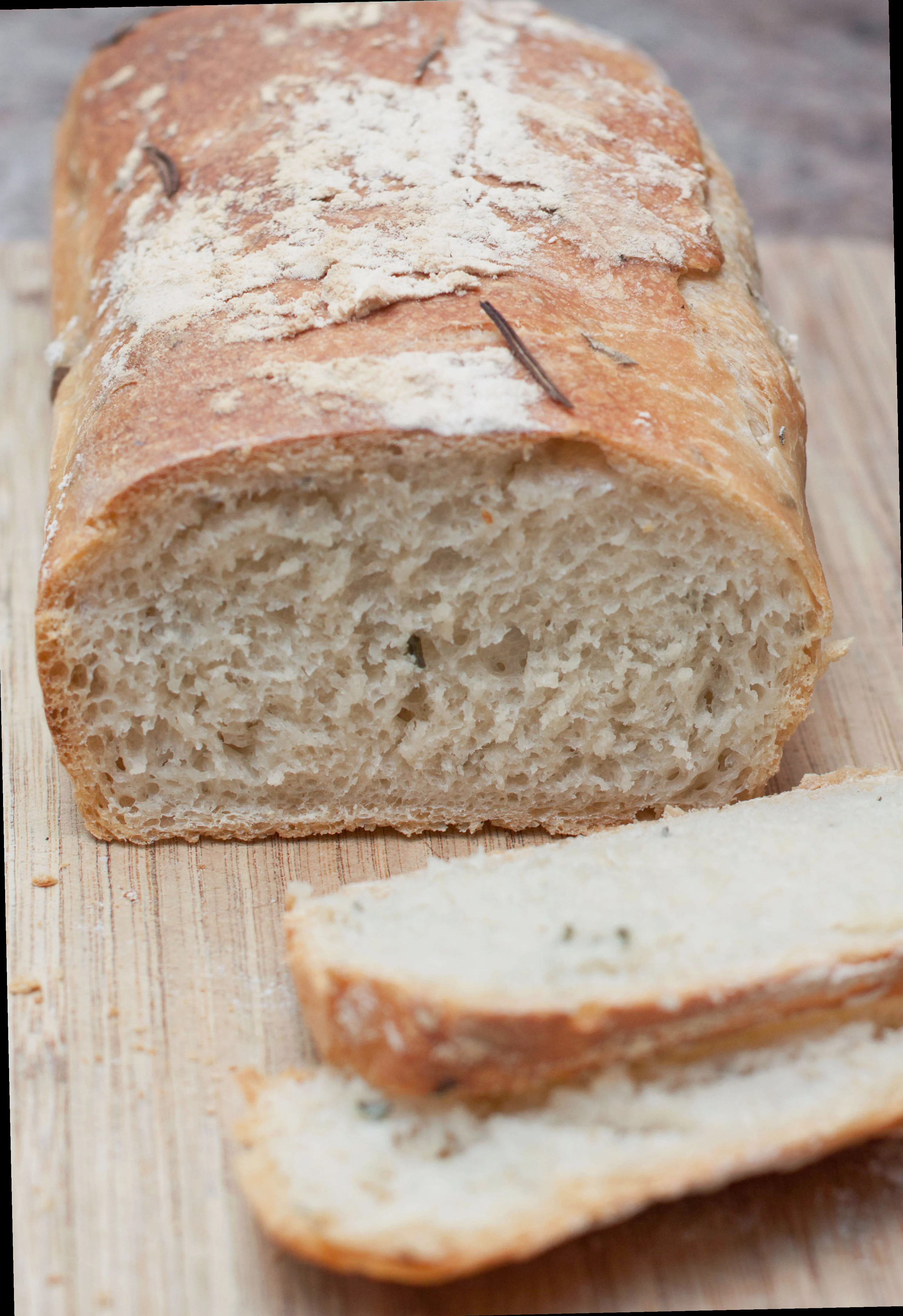
Your Vegan Rosemary Bread Machine Loaf Collapsed (or Never Rose) – Here’s Why and How to Fix It
You opened the lid to find a dense, gummy brick instead of a light, aromatic loaf—maybe with a cracked top, a sunken center, or the texture of a damp sponge. Or worse: the dough barely rose at all, leaving you with a sad, flat puck. This isn’t just “bad bread”; it’s a structural failure, and it almost always comes down to three things: wrong flour protein, failed yeast activation, or overproofing in the machine. This guide dissects every possible failure in vegan rosemary bread—from ingredient choices to machine quirks—and gives you the exact fixes to guarantee a golden, fragrant, springy loaf every time.
What Perfect Vegan Rosemary Bread Machine Loaf Actually Looks, Feels, and Tastes Like
| Stage | Success Marker — What You Should See / Feel / Smell / Hear |
|---|---|
| Before cooking (dough stage) | Smooth, slightly tacky dough that pulls away cleanly from the pan sides. Small bubbles visible under the surface. Aromas of fresh rosemary and yeast—no sour or alcoholic smell. |
| Mid-bake (15–20 min in) | Dome rising steadily, crust forming a pale golden color. Audible crackle as the crust sets. Internal temp (if probed): ~60°C (140°F). |
| Finished (end of bake cycle) | Deep golden-brown crust with a slight sheen from oil. Loaf springs back when pressed gently. Internal temp: 90–93°C (194–200°F). Hollow thump when tapped on the bottom. |
| When serving | Crust cracks crisply under a knife, revealing an even, open crumb with small air pockets. Rosemary flecks distributed uniformly. Flavour: initial nuttiness from whole wheat (if used), followed by piney rosemary, then a faint sweetness from proper fermentation. No gumminess or raw flour taste. |
Related topics: Vegan sweet potato bread recipe · Vegan buttercream recipe · Deep fried pickles recipe vegan
The Ingredient Failures — Wrong Choices Before You Even Start Cooking
- Flat, dense loaf with no rise: caused by low-protein flour (e.g., cake flour or all-purpose with 40°C/104°F kills yeast).
- **Salt or sugar in direct contact with