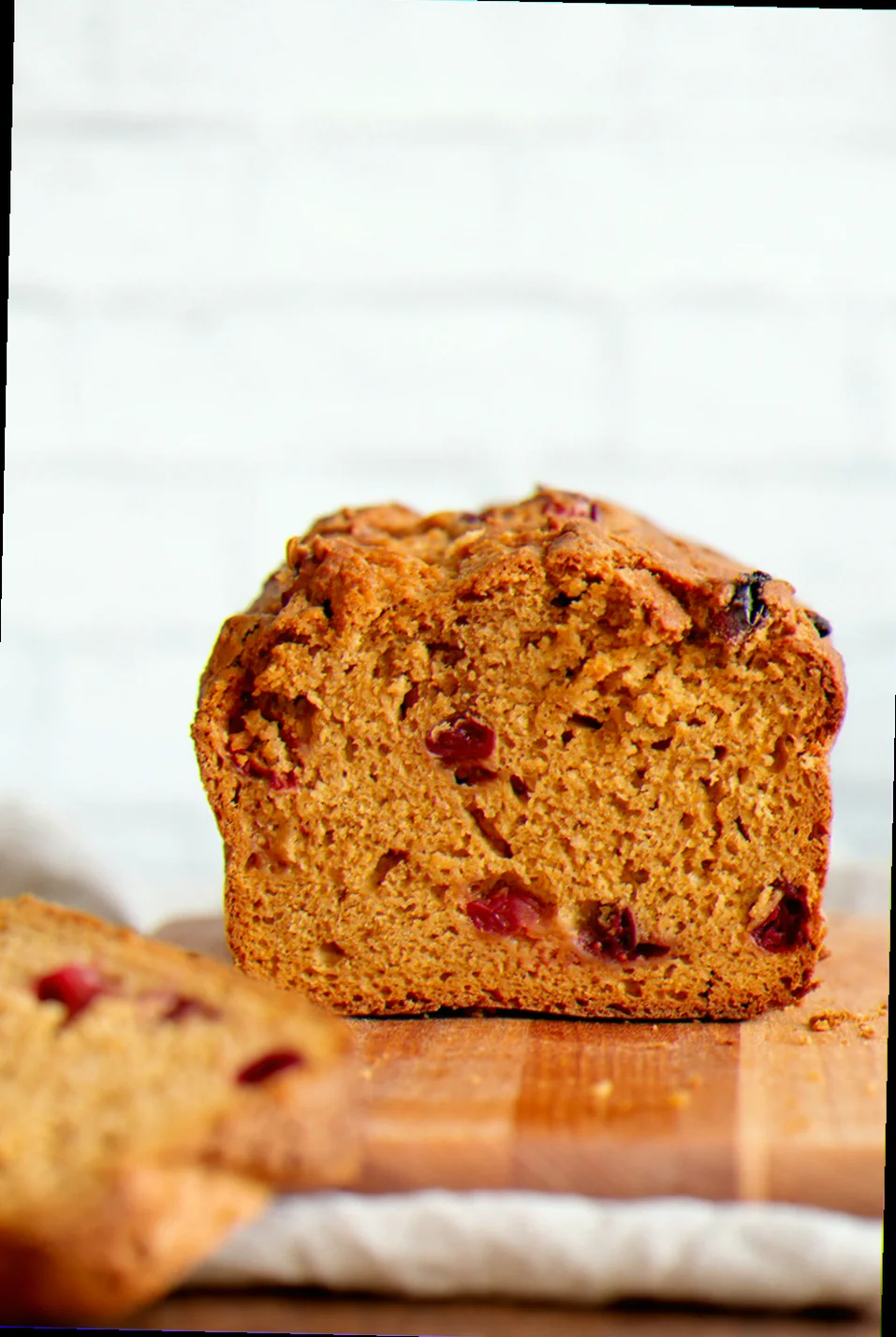
I spent three years getting vegan sweet potato bread wrong before I understood the real problem: most recipes treat it like pumpkin bread’s awkward cousin. They dump in mashed sweet potato as an afterthought, then drown it in sugar and oil to compensate for the dense, gummy crumb that results. The revelation that changed everything? Sweet potato isn’t just a moisturizer—it’s a structural player. And if you don’t respect its starch, your loaf will collapse into a sad, orange brick.
Why Most Versions of Vegan Sweet Potato Bread Fail
The first time I made it, I followed a popular blog’s advice: roast the sweet potatoes, blend them into a smooth purée, and fold them into a standard banana-bread-style batter. The result was a disaster—a leaden, gluey loaf with a raw-tasting center and a crust that peeled off in sad sheets. The problem? Sweet potato purée isn’t just wetter than pumpkin; it’s starchier, and those starches seize up when overmixed or underbaked, turning your bread into a science experiment gone wrong.
Most recipes make two fatal mistakes:
- They undervalue the sweet potato’s role, treating it like a passive add-in instead of the backbone of the loaf.
- They overcompensate with fat and sugar, which masks the vegetable’s earthiness but turns the texture into a greasy, cloying mess.
A good vegan sweet potato bread should be moist but springy, with a tight, even crumb and a caramelized crust that cracks just slightly when sliced. It should taste like autumn in loaf form—deeply spiced, with a whisper of smoky sweetness from the potato, not like a sugar bomb with orange flecks.
The Ingredients That Actually Matter
I’ve tested every variable, and these are the non-negotiables:
The sweet potatoes (400g, roasted, not boiled) Boiling turns them waterlogged and bland. Roasting at 200°C until deeply caramelized (about 45 minutes) concentrates their sugars and adds a toasty depth. I use orange-fleshed varieties like Beauregard—the bright yellow ones lack the malty richness this bread needs. And no, canned purée won’t cut it; it’s thin, metallic, and lacks the body to support the structure.
The flour (200g all-purpose + 50g whole wheat) I fought the urge to go 100% whole wheat for years. It’s too dense. But all-purpose alone makes the crumb too tender—it can’t handle the sweet potato’s heft. The 20% whole wheat adds grip without turning the loaf into a doorstop. If you’re gluten-free, a 50/50 blend of rice flour and oat flour is the only sub that doesn’t taste like cardboard.
The fat (80ml melted coconut oil, not neutral oil) Butter substitutes fail here. Coconut oil’s slight tropical note complements the sweet potato’s earthiness, and its solid-at-room-temp nature helps the loaf hold its shape. (Yes, it’s detectable—but in a good way, like a whisper of toasted coconut.) Melt it gently, then let it cool to just above room temp (30°C) before mixing. Hot oil will cook the flour on contact, leaving you with a gummy streak.
The leavener (2 tsp baking powder + ½ tsp baking soda) This isn’t a quick bread where you can skimp on lift. Sweet potato purée is heavy, and vegan batters lack eggs’ natural rise. The baking powder gives the initial boost; the baking soda reacts with the potato’s acidity for a slower, steadier climb. Skip the soda, and your loaf will dome dramatically in the oven… then sink like a soufflé with stage fright.
The spices (1 tsp cinnamon + ½ tsp smoked paprika + ¼ tsp nutmeg) Cinnamon alone is boring. Smoked paprika is the secret—it amplifies the roasted sweet potato’s caramelized notes without tasting “bbq.” Nutmeg adds warmth, but go easy; it’s a bully. And no cloves. Ever. They turn medicinal fast.
The sweetener (150g dark brown sugar + 60ml maple syrup) White sugar makes this taste like a sad muffin. Dark brown sugar’s molasses content echoes the sweet potato’s depth, while the maple syrup adds a floral high note. (Cheap pancake syrup? I’ve tried it. It’s like perfuming your bread with regret.)
The binder (60g ground flaxseed + 120ml water, whipped into a gel) Flax “eggs” are overhyped in most vegan baking, but here, they’re essential. The gel’s stickiness mimics gluten, helping the crumb cohere without turning gummy. Let it sit for 10 minutes until thick and ropey—skimping on time gives you a weak, crumbly loaf.
The Moment Everything Changes: Treating Sweet Potato Like a Starch, Not a Filler
Here’s the insight that saved my bread: Sweet potato purée isn’t just a wet ingredient—it’s a starch-heavy thickener, and it needs to be treated like one.
Before I figured this out, my loaves would:
- Domed wildly in the oven, then caved in the middle like a volcano with stage fright.
- Had a raw, floury layer at the bottom, no matter how long I baked them.
- Stuck to the pan as if glued, even with parchment.
The fix? Two steps:
- Roast the sweet potatoes until they’re 20% overdone—deeply caramelized at the edges, almost jammy in the center. This breaks down their starches into sugars, reducing their water-grabbing power.
- Fold the purée into the dry ingredients first, before adding any liquids. This coats the starch granules in flour, preventing them from swelling into glue when the wet ingredients hit.
It’s the difference between a light, tender loaf with a crackly crust and a dense, pasty brick. Science, baby.
How I Actually Make It Now — Step by Step
[The Roast] I halve 400g sweet potatoes (unpeeled), brush the cut sides with coconut oil, and roast them at 200°C for 45–50 minutes, until the flesh is dark amber at the edges and a knife slides in like butter. This isn’t just about cooking them—it’s about concentrating their flavor and altering their starch structure. Under-roast, and your bread will taste like steamed sweet potato; over-roast, and it’ll taste like marshmallows. You want the goldilocks zone: jammy but not burnt.
[The Purée Prep] While the potatoes cool, I whisk 60g ground flaxseed with 120ml water and let it sit until it’s the texture of thick egg whites (about 10 minutes). Then I scoop the roasted flesh into a sieve and press it through with a spatula. This removes any fibrous bits and aerates the purée, which helps the final loaf rise evenly. (A food processor makes it gummy. Trust me.)
[The Dry Mix] In a bowl, I whisk 200g all-purpose flour, 50g whole wheat flour, 2 tsp baking powder, ½ tsp baking soda, 1 tsp cinnamon, ½ tsp smoked paprika, ¼ tsp nutmeg, and ½ tsp salt. Then—I fold in the sweet potato purée with a spatula until it’s fully distributed and the mixture looks like damp sand. This is critical: coating the purée in flour first prevents it from turning into glue later.
[The Wet Mix] In another bowl, I melt 80ml coconut oil (gently—no sizzling), then whisk in 150g dark brown sugar, 60ml maple syrup, and 1 tsp vanilla. I add the flax gel and 60ml unsweetened almond milk (just enough to loosen the batter), then pour the wet into the dry and fold just until combined. Overmixing = tough bread. I aim for a thick, lumpy batter—like cookie dough, not cake batter.
[The Bake] I line a 9x5-inch loaf pan with parchment, leaving overhang on the sides (this is your insurance against sticking). The batter goes in, smoothed with a wet spatula, and I sprinkle the top with demerara sugar for crunch. Into a preheated 175°C oven it goes, on the middle rack. Here’s the key: Bake for 50 minutes, then tent with foil and bake 20–25 more. The foil prevents the crust from burning while the center sets. It’s done when a skewer comes out with a few moist crumbs (not wet batter) and the internal temp hits 95°C.
[The Cool] Let it cool in the pan for 20 minutes, then lift it out by the parchment and cool completely on a rack (at least 2 hours). Slicing warm = gummy bread. I’ve learned this the hard way, standing over a loaf with a serrated knife and a dream, only to watch it compress into a sad orange rectangle.
The Failures I Still See — and How to Fix Them
[The Sunken Middle] Cause: Underbaked center + too much leavener. If your loaf domes then collapses, your oven’s too hot or you pulled it early. Fix: Bake at 170°C (not 180°C) and check with a skewer at 50 minutes. If it’s wet, keep baking in 10-minute increments.
[The Gummy Crust] Cause: Overmixed batter or sweet potatoes that were boiled, not roasted. Fix: Fold the batter 12–15 strokes max and roast your sweet potatoes until they’re almost candied.
[The Raw Flour Bottom] Cause: The pan was too large (batter too thin) or you didn’t preheat the oven. Fix: Use a 9x5-inch pan (8x4 is too small; 10x6 is too big) and let the oven heat for 20 minutes before baking.
When I Make This and What I Serve It With
This isn’t a “throw together on a Tuesday” bread. I make it when I need a centerpiece—thanksgiving brunch, a potluck where I want to show off, or Sunday mornings in October when the air smells like woodsmoke. It’s rich enough to feel indulgent but not so sweet it’s dessert.
I serve it:
- Toasted, with cultured vegan butter and a sprinkle of flaky salt (the salt cuts the sweetness and makes the spices pop).
- Alongside a sharp, tangy dish, like pickled red onions or a white bean salad with lemon, to balance the richness.
- With black coffee or a bold chai—something with tannins to stand up to the spices.
Pro tip: Slice and freeze individual portions. Reheat in a toaster oven at 180°C for 5 minutes, and it’s better than fresh—the crust recrisps, and the spices deepen.
Substitutions I’ve Tested Honestly
Coconut oil → neutral oil (e.g., sunflower) Result: The crumb was less cohesive, and the flavor fell flat. Acceptable in a pinch, but not as moist or flavorful.
Dark brown sugar → coconut sugar Result: Drier, grainier texture, and the loaf tasted one-note sweet. Coconut sugar’s caramel notes are subtler than molasses.
All-purpose flour → gluten-free 1:1 blend Result: Worked surprisingly well, but the crumb was slightly crumbly. Add 1 tsp psyllium husk to the dry mix to help bind it.
Sweet potato → pumpkin purée Result: Blasphemy. Pumpkin’s water content is higher, and the flavor is milder and more vegetal. If you must, reduce the almond milk by 2 tbsp and add 1 extra tsp of spices.
Questions I Get Asked About Vegan Sweet Potato Bread
“Can I use canned sweet potato purée?”
No. Canned purée is thin, watery, and tastes like metal. If you’re desperate, reduce it in a saucepan until it’s the consistency of thick applesauce, then use 300g (not 400g) to account for the lost moisture.
Related topics: Vegan rosemary bread machine recipe · Vegan mashed sweet potato recipes · Vegan potato bake recipe
“Why does my bread taste bitter?”
You either burnt the sweet potatoes (roast at 200°C max) or used too much baking soda. Measure your leaveners with a scale—1 tsp too much and it’ll taste like soap.
“Can I make muffins instead?”
Yes, but reduce the bake time to 22–25 minutes at 180°C. Muffins dry out faster, so add 1 tbsp extra almond milk to the batter. And fill the liners ¾ full—these rise like crazy.