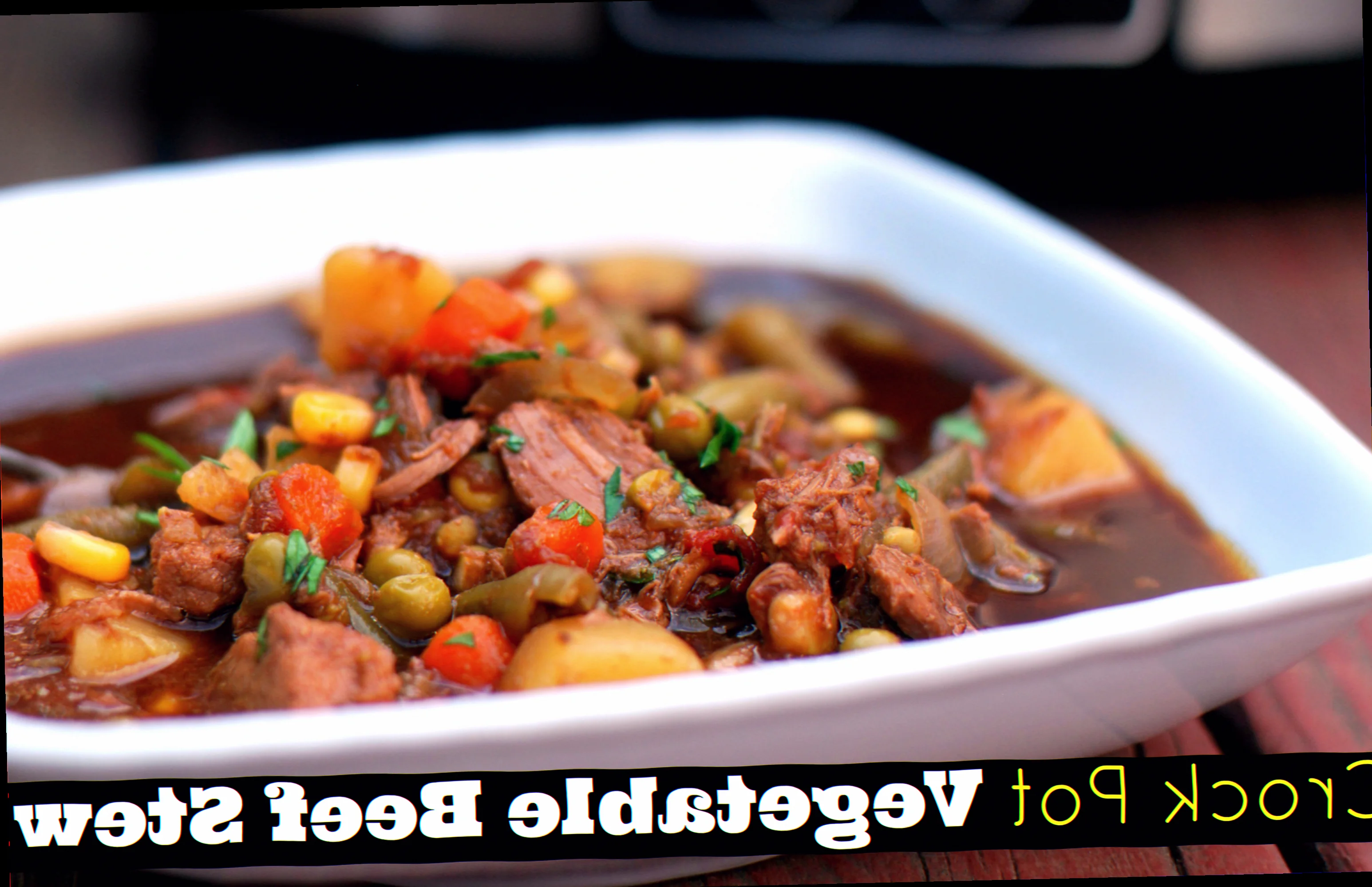
The First Time I Made Vegan Vegetable Stew in a Crock Pot, I Ruined a Perfectly Good Sweet Potato
It was 2017, and I was convinced slow cookers were magic. Toss everything in, walk away, come back to a meal—what could go wrong? I dumped in chopped carrots, a sad onion, some canned tomatoes, and a sweet potato I’d cubed with the enthusiasm of someone who’d never held a knife before. Eight hours later, I lifted the lid to find a beige, watery mush with the texture of overcooked baby food. The sweet potato had dissolved into a starchy glue, the carrots were flavorless ghosts of themselves, and the whole thing tasted like regret and dried thyme. That’s when I learned the hard truth: a crock pot isn’t a set-it-and-forget-it appliance—it’s a merciless exposer of lazy prep work.
The revelation that saved my stews didn’t come from a recipe. It came from a food scientist’s offhand comment about cell wall breakdown in root vegetables at sustained temperatures above 85°C. Turns out, the difference between a vibrant, brothy stew and a sad vegetable purée isn’t just time—it’s when you add what, and how you treat the ingredients before they even hit the pot. Here’s how I stopped making soup-shaped mistakes and started making stews worth eating.
Why Most Versions of Vegan Vegetable Stew Fail
Most people treat a crock pot like a dumping ground. They toss in all the vegetables at once, add broth, and hope for the best. What they get is a one-note, mushy disaster where every ingredient surrenders to the lowest common denominator of texture. Carrots turn to mush before the potatoes soften. Onions dissolve into nothingness. Tomatoes lose their brightness. The broth ends up thin and bland because no one bothered to build layers of flavor first.
The wrong way—what I call the “Everything In, Pray” method—produces stews that are:
- Texturally homogenous (read: baby food)
- Flavorlessly beige (no depth, no contrast)
- Brothless (because all the liquid gets absorbed by starchy vegetables)
The right way? Treat the crock pot like a staged performance, where each ingredient enters at the exact moment it can shine without overstaying its welcome.
The Ingredients That Actually Matter
I used to think more vegetables meant better stew. Now I know it’s about the right vegetables in the right roles. Here’s who makes the cut—and why.
Sweet potatoes (400g, cubed into 2cm pieces) are non-negotiable, but only if you treat them like the divas they are. Early on, I’d add them at the start, and they’d collapse into sweet, starchy sludge. Now I par-cook them separately—roasted at 200°C for 20 minutes with smoked paprika and olive oil—before adding them to the pot in the last 90 minutes. This gives them a caramelized edge that survives the slow cook, and their natural sugars concentrate instead of bleeding out.
Canned fire-roasted tomatoes (800g) are the only tomatoes worth using. Fresh tomatoes turn to sad, watery pulp; regular canned tomatoes taste tinny. The fire-roasted ones add a smoky depth that makes the stew taste like it’s been simmering for days. I crush them by hand—no blending—so there’s still texture.
Mushrooms (200g, cremini or shiitake) are the umami backbone. Most recipes underuse them or add them too late. I sauté them first in a screaming-hot pan with a pinch of salt until they release all their moisture and then crisp at the edges. This concentrates their glutamates, which means the broth tastes richer without any meat. If you skip this step, your stew will taste flat no matter what else you do.
Chickpeas (400g, cooked) are the protein, but they’re also the texture contrast. I add them in the last 30 minutes so they stay intact. If you dump them in at the start, they’ll turn to mealy nothingness.
Vegetable stock (1L, but not just any stock) is where most people sabotage themselves. Store-bought stock is thin and sad. I make a quick “fake fond” by deglaing the mushroom pan with a splash of red wine and a tablespoon of tomato paste, then scraping all that into the crock pot with the stock. This adds a caramelized base note that makes the whole stew taste deeper.
The supporting cast—carrots (200g, cut into thick rounds), celery (100g, diced), and a leek (150g, sliced)—are there for structure and aroma, but they’re not the stars. I add them early because they can handle the long cook, but I cut them thick so they don’t disappear.
The Moment Everything Changes: The Two-Stage Add
The single biggest mistake I made for years was assuming all ingredients could cook together harmoniously. They can’t. Vegetables have different structural integrity, and a crock pot is a relentless softener. The game-changer was realizing that some ingredients need a head start, some need a late arrival, and some need pre-treatment entirely.
Here’s how it works:
- Stage 1 (Long Cook): Onions, carrots, celery, leeks, garlic, and the fake fond go in first. These can handle 6-7 hours on low (or 4 on high) without turning to mush. The onions melt into the broth, the carrots soften but hold shape, and the leeks add a silky texture.
- Stage 2 (Late Add): Sweet potatoes (pre-roasted), mushrooms (pre-sautéed), chickpeas, and any greens (like kale or spinach) go in during the last 90 minutes. This keeps them distinct and vibrant instead of sad and overcooked.
The science? Cellulose in root vegetables breaks down at different rates. Potatoes and carrots have thicker cell walls than, say, zucchini. If you add them all at once, the zucchini turns to mush before the carrots are tender. By staging the additions, you get a stew where every bite has contrast—soft but not mushy, tender but not fallen apart.
How I Actually Make It Now — Step by Step
The Flavor Base: I start with a heavy stainless steel pan (not nonstick) over high heat. No oil yet. I add 200g of sliced mushrooms and let them sit, undisturbed, until they release their water. Then I crank the heat even higher, add a pinch of salt, and let them sear until the edges crisp. This is the only way to get real umami without meat. I deglaze with 120ml of red wine and a tablespoon of tomato paste, scraping up all the browned bits. This entire mixture goes into the crock pot first—it’s the flavor foundation.
The Long Cookers: I add the chopped onions, carrots, celery, leek, and garlic to the pot, along with the fire-roasted tomatoes (crushed by hand), 1L of vegetable stock, 1 tsp of smoked paprika, and a bay leaf. I set the crock pot to low (90°C) for 6 hours. If I’m short on time, I’ll do 4 hours on high (but the texture suffers slightly).
The Pre-Treated Stars: While that’s cooking, I roast the sweet potatoes at 200°C for 20 minutes with olive oil, smoked paprika, and salt. This step is non-negotiable—it’s the difference between sweet potatoes that hold their shape and ones that dissolve. I also prep any greens (like kale) by massaging them with a bit of lemon juice and salt to soften them slightly.
The Late Arrivals: With 90 minutes left, I add the roasted sweet potatoes, the sautéed mushrooms (if I didn’t add them earlier), and the chickpeas. If I’m using kale or spinach, it goes in during the last 30 minutes. This ensures everything is cooked but not destroyed.
The Finish: Before serving, I stir in a tablespoon of apple cider vinegar (brightens the flavors) and a handful of fresh parsley. I taste and adjust the salt—usually another ½ tsp—and let it sit for 10 minutes off the heat. This resting time lets the flavors meld.
The Failures I Still See—and How to Fix Them
- Mushy Vegetables: If your stew looks like baby food, you added everything at once. Fix: Pull out a cup of the broth, blend it with a handful of fresh herbs, and stir it back in. This won’t fix the texture, but it’ll improve the flavor. Next time, stage your additions.
- Bland Broth: This happens when you skip the umami builders. Fix: Stir in a tablespoon of miso paste or a splash of soy sauce at the end. It’ll add depth instantly.
- Watery Stew: Usually from adding too much liquid or not reducing it. Fix: Take the lid off and let it cook on high for the last 30 minutes to evaporate excess moisture. A slurry of cornstarch and water can thicken it in a pinch, but it’s better to start with less liquid—you can always add more.
When I Make This and What I Serve It With
This is my Sunday supper—the meal I make when I want something warm, hands-off, and generous. It’s the dish I bring to potlucks because it travels well and tastes even better the next day. I serve it with:
- Crusty sourdough bread (for sopping up the broth)
- A simple arugula salad with lemon and olive oil (to cut the richness)
- A cold lager or a glass of Chianti (the bitterness balances the sweetness of the stew)
It’s also my post-holiday reset meal—packed with vegetables but still comforting. Leftovers freeze beautifully, though the sweet potatoes get a little softer.
Substitutions I’ve Tested Honestly
- Sweet potatoes → Butternut squash: Works well, but it’s sweeter and softer, so roast it first and add it late. Verdict: Good, but not as sturdy.
- Mushrooms → Eggplant: I’ve tried this for a meatier texture. It works if you salt and drain the eggplant first to remove bitterness, but it’s not as umami-rich. Verdict: Acceptable in a pinch.
- Chickpeas → Lentils: French green lentils hold their shape better than brown, but they absorb more liquid. Add an extra 240ml of stock if using them. Verdict: Great for a heartier stew.
- Gluten-free? Already is. Nut-free? Just check your stock—some brands use nut-based thickeners.
Questions I Get Asked About Vegan Vegetable Stew
“Can I make this in an Instant Pot?”
Yes, but it won’t taste the same. The Instant Pot doesn’t develop flavors the same way—there’s no slow melding. If you’re in a rush, use the sauté function for the mushrooms, then pressure cook for 10 minutes with a quick release. But the texture will be more uniform (read: less interesting).
Related topics: Vegan split pea soup recipe crock pot · Best vegan recipes of all time · Vegan baby bok choy recipes
“Why do my carrots turn to mush?”
Because you cut them too small or cooked them too long. Cut them into 2cm rounds, not thin coins, and add them at the start. They’ll soften but stay intact.
“Can I skip the wine?”
Yes, but replace it with something acidic—a splash of balsamic vinegar or extra tomato paste. The wine isn’t just for alcohol; it’s for brightness and depth. Without it, the stew tastes flat.