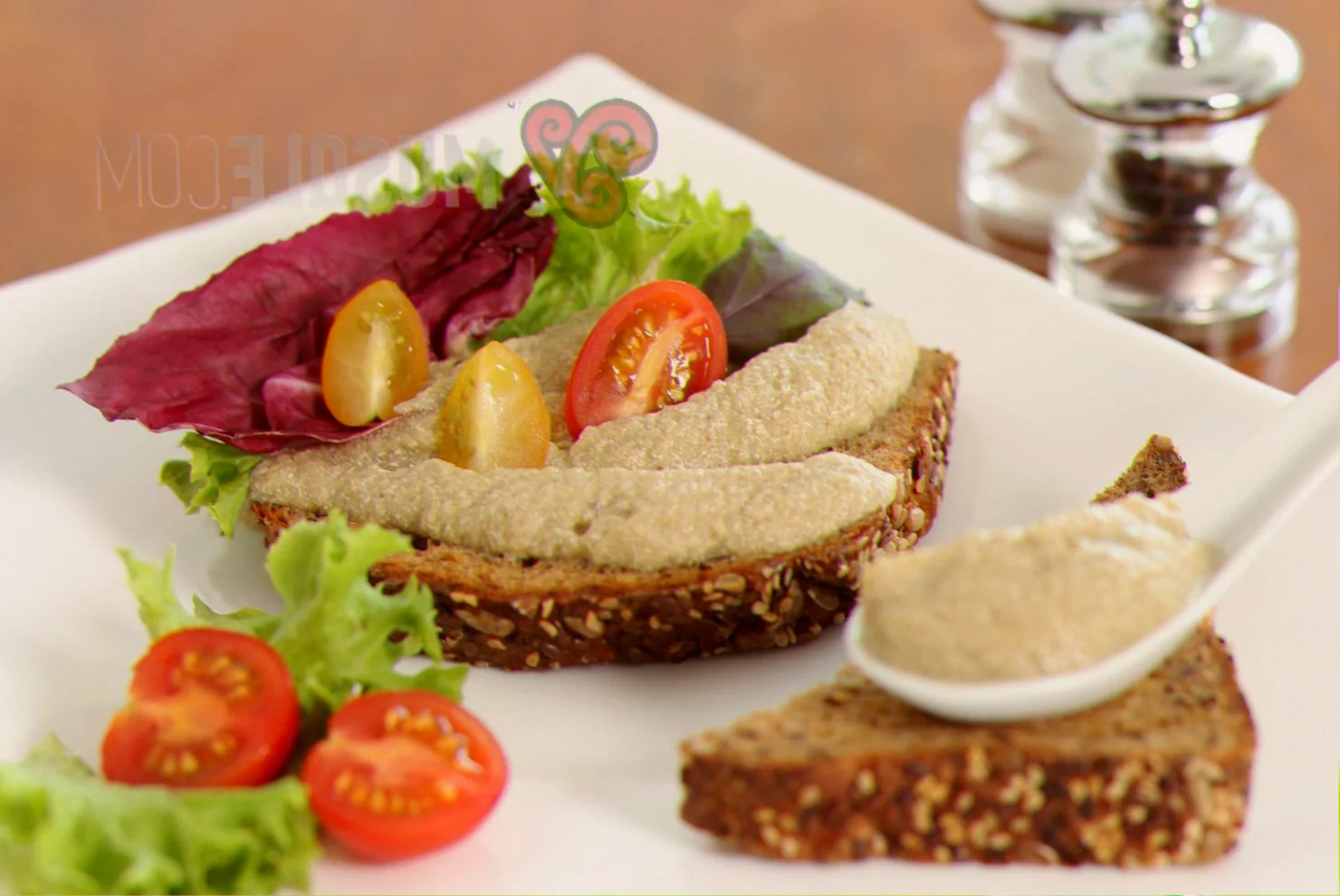
I spent three years getting veganer Brotaufstrich aus Aubergine wrong before I understood the real secret: this isn’t a spread—it’s a slow-roasted eggplant custard. The first time I made it, I treated the aubergine like a passive vegetable, something to be steamed or boiled into submission. What I got was a sad, watery paste that tasted of regret and olive oil. Then I burned a batch so badly the smoke alarm went off, and in that charred disaster, I finally saw the light. The magic isn’t in the ingredients—it’s in how you break the eggplant down until it surrenders its soul to the pan.
Why Most Versions of Veganer Brotaufstrich Aubergine Fail
Most recipes tell you to bake or boil the aubergine whole, then scoop out the flesh. This is the wrong approach. Here’s what happens: the flesh steams in its own skin, turning to mush with a flat, damp flavour—like eating a sponge that’s been wrung out in lukewarm water. The texture is grainy, the taste one-dimensional. Worse, if you don’t drain it properly, your spread becomes a soupy mess that slides off bread like a coward.
The right way? You want the eggplant to collapse under dry heat until its cell walls shatter. This concentrates the flavour, caramelises the natural sugars, and gives the spread a velvety, almost meaty depth. No watery aftertaste. No sad, grey purée. Just rich, smoky, umami-packed creaminess that clings to crusty bread like it’s its job.
The Ingredients That Actually Matter
I’ve made this with every oil, every spice, and every allium under the sun. Here’s what stayed:
The eggplant (750g, the long purple kind, not the tiny ones) I used to think any aubergine would do. Then I tried the globular ones—too seedy, too bitter, too much work for too little payoff. The long, slender purple ones (the kind that look like they’ve been stretched on a rack) have fewer seeds, sweeter flesh, and a creamier texture when roasted. Non-negotiable.
Extra-virgin olive oil (80ml, and no, don’t skimp) I’ve tried this with sunflower oil (bland), with butter substitutes (greasy), and even with tahini as the fat base (overpowering). Olive oil isn’t just a medium here—it’s a flavour carrier. The good stuff (the kind that makes you cough when you taste it raw) adds peppery depth. Cheap oil tastes like plastic.
Smoked paprika (1 tsp, not sweet, not hot—smoked) This is the ingredient that fools people into thinking there’s bacon in here. I’ve substituted with regular paprika (flat), with cumin (wrong vibe), and with liquid smoke (chemical disaster). Smoked paprika is the only thing that gives that campfire whisper without tasting like a barbecue went wrong.
Garlic (6 cloves, roasted, not raw) Raw garlic in spreads is a crime. It’s harsh, it repeats on you, and it overpowers everything. Roasting the cloves (wrapped in foil with a drizzle of oil at 180°C for 30 minutes) turns them into sweet, mellow paste that melts into the eggplant. If you’re short on time, mince the garlic and cook it in the oil until golden—but roasted is better.
Lemon juice (30ml, fresh, not bottled) This isn’t just for acidity—it’s for brightness that cuts through the richness. I’ve skipped it (dull), used vinegar (harsh), and even tried lime (too tropical). Fresh lemon is the only thing that makes the flavours pop without fighting them.
Salt (2 tsp, divided) Half goes on the eggplant before roasting (to draw out bitterness), half at the end (to season). If you skip the initial salt, the spread tastes flat. If you skip the final salt, it tastes underseasoned. Yes, it matters that much.
The Moment Everything Changes: Roasting the Eggplant Uncovered at 220°C
Here’s the revelation that saved this recipe: you don’t roast eggplant—you dehydrate it. Most recipes tell you to prick the skin and bake it whole. That’s how you get steamed mush. Instead, you halve the eggplant lengthwise, score the flesh deeply in a crosshatch, salt it heavily, and roast it cut-side down on a baking sheet at 220°C for 45–50 minutes.
Why? Three things happen:
- The salt draws out moisture before roasting, so the flesh doesn’t steam in its own juices.
- The high heat caramelises the natural sugars, turning them into deep, molasses-like notes.
- The scored flesh crisps at the edges, adding texture to the final spread.
When it’s done, the skin should be blackened in spots, the flesh collapsed into a dark, glossy jam. If it’s still firm or pale, it’s not done. This is the step where 90% of people fail. They under-roast, then wonder why their spread tastes like sad babaganoush.
How I Actually Make It Now — Step by Step
The Eggplant Breakdown: I start with two large eggplants (about 750g total). I halve them lengthwise, then score the flesh deeply with a knife—like I’m drawing a grid for a very small city. I sprinkle each half with ½ tsp of salt and let them sit cut-side up on a wire rack for 20 minutes. You’ll see beads of bitter liquid form on the surface—that’s the enemy leaving the building. I pat them dry with a paper towel (this is crucial; wet eggplant steams instead of roasts), then brush the cut sides with 30ml of olive oil.
Into the oven at 220°C, cut-side down on a parchment-lined tray. No foil, no covering—we want evaporation, not steam. After 30 minutes, I peek. The flesh should be shrinking, the edges darkening. If it’s not, I give it another 10–15 minutes. When it’s done, the skin will be wrinkled and black in spots, and a knife will slide in like butter.
The Garlic Roast: While the eggplant works, I take 6 unpeeled garlic cloves, toss them in 15ml of olive oil, wrap them in foil, and roast them at 180°C for 30 minutes. They should be soft enough to squeeze out of their skins like toothpaste. If you rush this, the garlic stays sharp and raw-tasting.
The Blend: I scoop the eggplant flesh into a food processor (skin stays behind—it’s bitter), add the roasted garlic, 1 tsp smoked paprika, 30ml lemon juice, and the remaining 35ml olive oil. Pulse until smooth but still with a little texture—think hummus, not baby food. Taste. It’ll need more salt (always does), usually another ½–1 tsp. Sometimes a pinch of sugar if the eggplant was bitter.
The Rest: This is the step everyone skips. I transfer the spread to a bowl, cover it, and let it sit at room temperature for at least an hour. Flavors meld, the texture thickens, and the smokiness deepens. Serve it immediately, and it’ll taste like separate ingredients. Wait? It becomes something cohesive.
The Failures I Still See — and How to Fix Them
Watery Spread: Cause: You didn’t salt and drain the eggplant before roasting, or you didn’t roast it long enough. Fix: Spread the finished mixture on a plate, cover with paper towels, and press gently to absorb excess liquid. Then adjust seasoning—it’ll need more salt and lemon after this.
Bitter Aftertaste: Cause: Old eggplant (they get bitter with age) or under-roasting. Fix: Add 1 tsp of sugar and a squeeze more lemon to balance. Next time, buy fresher eggplant and roast until the flesh is deep brown, not pale.
Grainy Texture: Cause: You used a blender instead of a food processor, or you didn’t roast the garlic enough. Fix: Pulse by hand in a processor until just smooth. If it’s too late, stir in 1 tbsp of tahini to bind it.
When I Make This and What I Serve It With
This isn’t an everyday spread. I make it when I want to impress vegans and omnivores alike—at dinner parties, on mezze platters, or when I need a showstopper for crusty sourdough. It’s rich enough to stand in for pâté, smoky enough to pair with sharp flavours.
What it sits next to:
- Quick-pickled red onions (their acidity cuts the richness)
- Warm flatbread or baguette slices (for scooping)
- A simple tomato-cucumber salad (to lighten the load)
Drink pairing: A cold, dry rosé or a crisp lager. Never red wine—it fights with the smokiness.
Substitutions I’ve Tested Honestly
Eggplant → Zucchini: I tried it. The texture was watery, the flavour bland. Verdict: Not worth it.
Olive oil → Tahini: It works in a pinch (use 60g tahini + 20ml water), but the spread loses its silky mouthfeel. Verdict: Only if you’re allergic to olive oil.
Smoked paprika → Chipotle powder: Actually decent! Use ½ tsp—it’s stronger. Verdict: Good substitute if you want heat.
Garlic → Asafoetida (for low-FODMAP): I’ve done this for friends with IBS. Use ¼ tsp, toasted in the oil first. Verdict: Surprisingly close, but lacks sweetness.
Questions I Get Asked About Veganer Brotaufstrich Aubergine
“Can I make this in an air fryer?”
Yes, but it’s fiddly. Halve the eggplant, salt, and air-fry at 200°C for 25–30 minutes, checking often. The problem? Air fryers don’t hold enough for even roasting, so you’ll need to work in batches. Oven is easier.
Related topics: Vegan poppy seed cake recipe · Quinoa pudding recipe vegan · Vegan buttercream recipe
“Why does mine taste like ash?”
You burned the garlic or overdid the smoked paprika. Fix: Start over, but roast the garlic at 170°C next time, and use half the smoked paprika.
“Can I freeze this?”
Yes, but the texture changes—it separates slightly when thawed. Workaround: Freeze in ice cube trays, then blend with a splash of water when reheating. Stir in fresh lemon juice after thawing to brighten it up.